 Weight & Obesity Care
monitor_weightCentre of Excellence
Bariatric & Metabolic Surgery
Evidence-based, multidisciplinary care for obesity and its related conditions. Our surgeons, physicians, dietitians and anaesthetists work together to plan safe laparoscopic weight-loss and metabolic surgery, and support you long after the operation.
Minimally Invasive SurgeryDiabetes Remission CarePersonalised Diet SupportRevision SurgeryLifelong Follow-up
Bariatric & Metabolic Surgery
Specialised care for obesity, metabolic conditions and weight-loss surgery.
Our Bariatric & Metabolic Surgery service provides specialist evaluation for obesity and related metabolic conditions, with appropriate laparoscopic and metabolic procedures selected after detailed clinical assessment.
Obesity is a chronic disease linked to type 2 diabetes, high blood pressure, fatty liver, sleep apnea, joint problems and reduced fertility. When diet, exercise and medication have not delivered lasting results, surgery can offer durable weight loss and better metabolic health.
Thorough AssessmentBMI, metabolic, cardiac, endoscopic and nutritional evaluation before any decision.
Laparoscopic ApproachKeyhole techniques for smaller scars, less pain and faster recovery.
Team-Based CareSurgeon, physician, dietitian, psychologist and physiotherapist working together.
Long-Term SupportScheduled follow-up, supplement guidance and lifestyle coaching.
Conditions
Conditions We Treat
Weight & Obesity Care Diabetes & Metabolic Care
Type 2 Diabetes
Learn More arrow_forward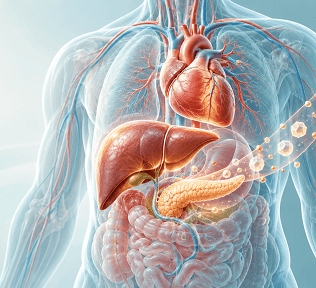 Metabolic Health
Metabolic Syndrome
Learn More arrow_forward Sleep & Obesity Care
Obesity-Related Sleep Apnea
Learn More arrow_forwardTreatment
Treatments & Procedures
 Advanced Weight-Loss Surgery
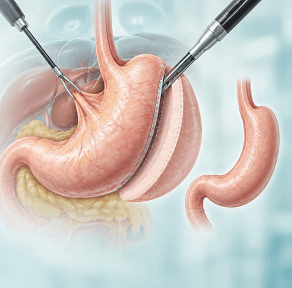
Laparoscopic Sleeve Gastrectomy
Learn More arrow_forward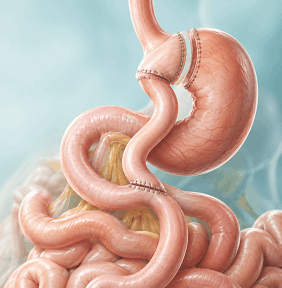 Gastric Bypass Surgery
Laparoscopic Gastric Bypass (Roux-en-Y)
Learn More arrow_forward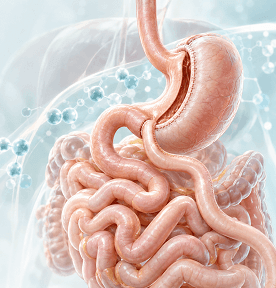 Metabolic Diabetes Surgery
Metabolic Surgery for Diabetes
Learn More arrow_forward Revisional Bariatric Surgery
Revision Bariatric Surgery
Learn More arrow_forwardFAQs
Frequently Asked Questions
What is bariatric and metabolic surgery?
It is a group of operations, usually done laparoscopically, that change the stomach and sometimes the intestine to help patients lose weight and improve conditions such as type 2 diabetes, high blood pressure and sleep apnea.
Who is eligible for weight-loss surgery?
Eligibility is decided after clinical assessment. Guidelines generally consider adults with a BMI of 35 or more, or lower BMI thresholds (about 27.5 to 32.5 for Asian patients) when obesity-related conditions such as diabetes are present and non-surgical methods have not worked.
Which bariatric procedures are offered?
We offer laparoscopic sleeve gastrectomy, laparoscopic Roux-en-Y gastric bypass, metabolic surgery for diabetes and revision bariatric surgery.
What is sleeve gastrectomy?
About 75 to 80 percent of the stomach is removed, leaving a narrow tube-shaped stomach. This limits food intake and reduces hunger hormones.
What is a Roux-en-Y gastric bypass?
A small stomach pouch is created and connected directly to the small intestine, bypassing part of the stomach and upper intestine. It restricts food intake and alters gut hormones, and is often chosen for patients with diabetes or severe reflux.
Can bariatric surgery cure type 2 diabetes?
Many patients achieve remission or major improvement in blood sugar after surgery, often reducing or stopping medication. Results vary with the duration of diabetes, the procedure and lifestyle follow-up, and long-term monitoring is still needed.
How much weight can I expect to lose?
Most patients lose a substantial portion of their excess weight, typically within 12 to 18 months. The amount depends on the procedure, diet, activity and adherence to follow-up.
Is bariatric surgery safe?
Modern laparoscopic bariatric surgery has a safety record comparable to other common abdominal operations when performed by an experienced team after thorough pre-operative evaluation. All surgery carries risks, which are discussed before the procedure.
How long is the hospital stay?
Most patients stay about 2 to 3 days after laparoscopic surgery, depending on the procedure and recovery.
How long is recovery and when can I return to work?
Many patients resume desk work in one to two weeks. Strenuous activity and heavy lifting are usually avoided for about four to six weeks, as advised by your surgeon.
What tests are needed before surgery?
Evaluation usually includes blood tests, HbA1c, thyroid and liver assessment, ECG, chest imaging, abdominal ultrasound, upper GI endoscopy, anaesthesia review and dietitian counselling. A sleep study may be advised if sleep apnea is suspected.
What diet should I follow after surgery?
Diet progresses from liquids to pureed food, soft food and then normal solid food over several weeks. A dietitian guides portions, high-protein intake and hydration.
Will I need vitamins and supplements after surgery?
Yes. Multivitamins, calcium, vitamin D, iron and vitamin B12 are commonly prescribed, and periodic blood tests check for deficiencies.
Can weight be regained after surgery?
Some weight regain can occur over time, especially without lifestyle changes and follow-up. Revision bariatric surgery may be considered in selected patients.
What is revision bariatric surgery?
Revision surgery corrects or converts a previous weight-loss operation when there is significant weight regain, inadequate weight loss or a complication, after detailed assessment.
Does bariatric surgery improve sleep apnea?
Weight loss after surgery often reduces the severity of obesity-related sleep apnea, and some patients can reduce or stop CPAP use under medical supervision.
Can women become pregnant after bariatric surgery?
Fertility often improves with weight loss. Pregnancy is generally advised after 12 to 18 months, once weight has stabilised, with nutritional monitoring.
Is bariatric surgery covered by insurance?
Coverage depends on the insurer and policy terms, which often require documented BMI and obesity-related conditions. Our team can help with documentation and pre-authorisation.
How do I book a consultation?
Book an appointment through Arihant Hospitals to meet the bariatric team for assessment, investigations and a personalised treatment plan.