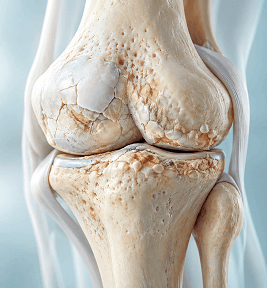
 Knee Joint Care
Centre of Excellence
Orthopaedics & Joint Replacement
Explore specialist orthopaedic services for joint pain, sports injuries, spine conditions, fractures and trauma. Our team evaluates each person's symptoms and goals to help them understand appropriate care options, from diagnostic assessment and non-surgical management to procedures when clinically indicated.
Joint careSports injuriesSpine careFracture & trauma
About the department
Care that keeps you moving
Orthopaedic symptoms can affect mobility, comfort, sport and everyday activities. Care starts with understanding the problem: your clinician reviews your history, examines the affected area and recommends imaging or tests when needed. Together, you can discuss options based on the diagnosis, your overall health and what matters to you.
Browse the conditions and procedures below to learn more about common orthopaedic concerns and available treatments. Information on this page is general; an in-person assessment is needed for advice about an individual diagnosis or treatment plan.
Conditions
Conditions We Treat
Knee Joint Care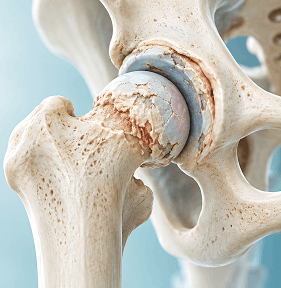 Hip Joint Care
Hip Degeneration
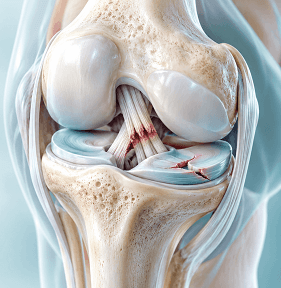 Sports Injury Care
ACL & Meniscus Tears
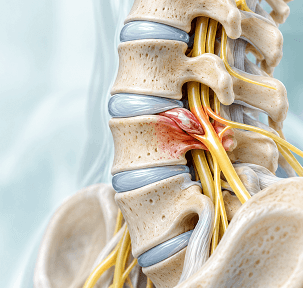 Spine Care
Spinal Disc Herniation (Sciatica)
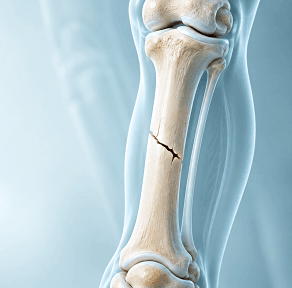 Trauma & Fracture Care
Bone Fractures
If you have any of these conditions
Speak with our Orthopaedics & Joint Replacement team in Dehradun. Share your symptoms and reports, and we will help you plan the right next step.
Treatment
Treatments & Procedures
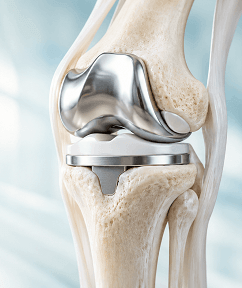 Joint Replacement
Total Knee Replacement (TKR)
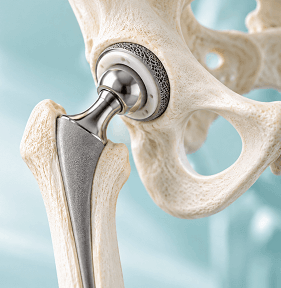 Hip Replacement
Total Hip Replacement (THR)
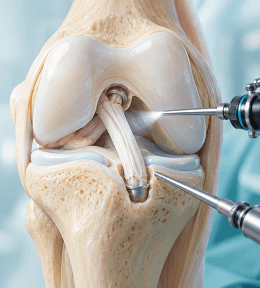 Arthroscopic Surgery
Arthroscopic Ligament Repair
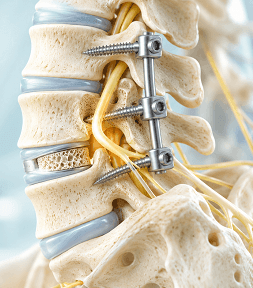 Advanced Spine Surgery
Spine Fusion & Decompression
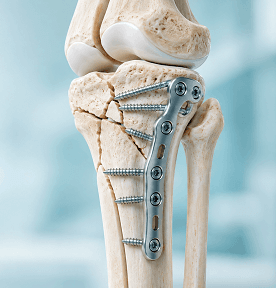 Complex Trauma Surgery
Complex Trauma Fixation
If you need any of these treatments
Our team can guide you on the recommended procedure, pre-surgical preparation, recovery and what to expect at every stage of care.