Struggling with Sharp, Cutting Pain During Bowel Movements? Get Expert Relief for Anal Fissures
Don't let chronic tearing, bleeding, and severe sphincter spasms control your daily life. Get an accurate proctological evaluation and fast-track recovery with our senior colorectal surgical consultants at Arihant Hospital, Dehradun.

Are You Experiencing Any of These Fissure Symptoms?
Anal fissures cause severe discomfort that can be mistaken for other conditions. Select all sensations that apply to your current condition:
If you checked even one of these indicators, you may be suffering from an acute or chronic anal fissure. Unresolved fissures frequently turn into non-healing chronic ulcers with scarring.
Why Anal Fissures Fail to Heal on Their Own
Anal fissures are small tears in the delicate lining of the anal canal, typically triggered by passage of hard stools, chronic constipation, or strain. High resting pressure in the anal sphincter restricts blood flow, preventing the tear from closing.
Chronic Non-Healing Ulcers
Persistent tearing exposes underlying muscle fibers, creating deep ulcers that cause continuous excruciating pain.
Sentinel Skin Tags & Hypertrophied Papillae
Body's recurring attempt to heal results in swollen external skin tags and internal lumps complicating hygiene and care.
Sphincter Muscle Spasm Cycle
Pain causes sphincter spasms, spasms reduce blood supply, and reduced blood supply stops the wound from healing.
Your Treatment Journey at Arihant Hospital
A streamlined, compassionate 4-step roadmap from initial screening to complete post-treatment recovery.
Clinical Assessment
Confidential evaluation and gentle proctoscopic examination by Dr. Abhishek Jain to diagnose tear severity and sphincter tone.
Tract Mapping or Diagnosis
Precise identification of acute vs chronic fissures, sentinel tags, and underlying inflammatory patterns.
Laser Closure or Treatment
Minimally invasive laser therapy or sphincterotomy to instantly relieve muscle spasm and facilitate rapid tissue closure.
Recovery & Follow-up
Same-day discharge with personalized dietary guidance, stool softening protocols, and scheduled surgeon check-ins.
The Gold Standard Cure: Advanced Laser & Sphincterotomy
Home remedies and basic ointments often fail once a fissure becomes chronic. Modern minimally invasive laser therapy or lateral internal sphincterotomy resolves sphincter spasm instantly, ensuring rapid tissue healing with minimal discomfort.
Comprehensive Fissure Care & Protocol
Advanced Diode Laser Sphincterotomy
Modern laser energy is precisely delivered to relax the hyperactive internal anal sphincter muscle and vaporize fibrous scar tissue at the base of the chronic fissure. This eliminates spasm immediately, promotes optimal blood perfusion, and ensures fast epithelialization without open surgical cuts or prolonged dressings.
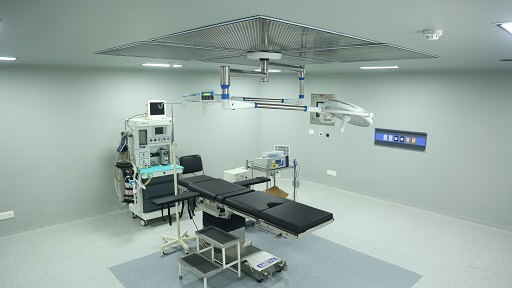
Accurate Proctological Examination
Proper diagnosis differentiates anal fissures from hemorrhoids, fistulas, or inflammatory bowel conditions. Dr. Abhishek Jain performs a gentle inspection and high-resolution proctoscopy under complete privacy to grade the fissure and rule out underlying complications.
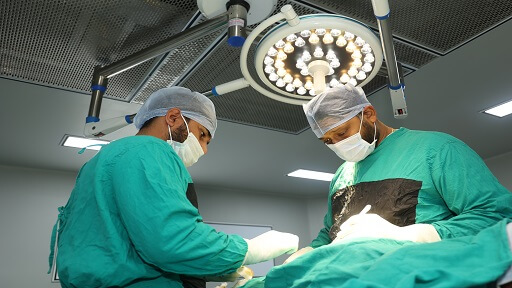
Rapid Post-Op Recovery & Dietary Care
Recovery following laser proctology is exceptionally fast. Patients return to desk work within 24 to 48 hours. Our clinical dietitians provide tailored high-fiber meal plans and hydration schedules to ensure soft bowel movements and prevent recurrence.
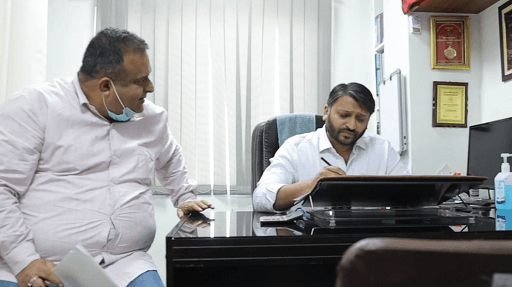
100% Transparent Financial Coverage
We ensure smooth cashless processing with all government panels and private insurers:
No Private Health Insurance?
Avail 0% Interest Monthly Installments (EMI) with instant paperless verification for consultations and proctology laser treatments.
Diagnosed with Chronic Fissure or Advised Surgery Elsewhere?
Share your previous consultation notes or medical details securely. Our Senior Colorectal Surgical Board evaluates your case free of charge and provides an expert second opinion within 2 hours.
Frequently Asked Questions
What is the difference between an acute and chronic anal fissure?expand_more
An acute fissure looks like a fresh papercut and typically heals within weeks with stool softeners and conservative care. A chronic fissure lasts longer than 6 weeks, often develops thickened edges or a sentinel skin tag, and typically requires medical or laser intervention to heal permanently.
What causes an anal fissure?expand_more
The most common causes are passing hard or large stools, chronic constipation, prolonged diarrhoea, and straining. Childbirth, anal trauma and, less commonly, conditions such as Crohn's disease can also cause fissures.
What are the common symptoms of an anal fissure?expand_more
Typical symptoms include sharp, cutting or burning pain during and after bowel movements, bright red blood on toilet paper or stool, a visible crack or skin tag near the anal opening, itching, and a tight spasm of the anal muscle.
When should I see a doctor for an anal fissure?expand_more
See a proctologist if pain or bleeding lasts more than a week or two, if symptoms keep returning, or if you notice heavy bleeding, fever, discharge or a lump. Rectal bleeding should always be properly evaluated to rule out other conditions.
Can an anal fissure heal without surgery?expand_more
Many acute fissures heal with a high-fibre diet, plenty of water, stool softeners, warm sitz baths and prescribed topical ointments. Chronic fissures that persist beyond 6 to 8 weeks often need laser treatment or lateral internal sphincterotomy.
Is laser treatment for anal fissure completely painless?expand_more
Laser surgery is performed under anesthesia, making the procedure entirely painless. Post-operative discomfort is minimal compared to traditional open surgeries because laser energy seals nerve endings and blood vessels concurrently, leading to faster healing.
How is an anal fissure diagnosed?expand_more
Diagnosis is made through a gentle, private physical examination by the colorectal surgeon, sometimes with a proctoscopy. This helps differentiate a fissure from piles, fistula or other anorectal conditions.
What is lateral internal sphincterotomy?expand_more
It is a procedure in which a small portion of the internal anal sphincter muscle is released to reduce spasm and resting pressure. This improves blood flow to the fissure and allows it to heal. It can be performed with laser or conventional techniques.
How long does it take to recover and return to normal work?expand_more
Most patients undergoing modern laser proctology procedures are discharged on the same day and can resume normal daily desk work or routines within 24 to 48 hours.
What diet helps an anal fissure heal?expand_more
Eat fibre-rich foods such as fruits, vegetables, oats, whole grains and legumes, drink 2 to 3 litres of water daily, and limit spicy, fried and processed foods. Avoid sitting on the toilet for long periods.
Is there a risk of recurrence after treatment?expand_more
Recurrence is uncommon after definitive treatment, particularly when patients follow a high-fibre diet, stay hydrated and avoid constipation and straining. Follow-up visits help keep the risk low.
Are fissure treatments covered under ECHS & CGHS?expand_more
Yes. Arihant Hospital maintains an active, dedicated cashless desk for ECHS, CGHS, and major government panels with complete support from pre-authorization to discharge.
Is cashless insurance or EMI available for fissure treatment?expand_more
Yes. Cashless treatment is available with major insurers such as Star Health, HDFC ERGO and ICICI. Patients without insurance can avail 0% interest EMI options.
Still have questions?
Speak to our proctology desk for a confidential consultation.