Advanced FiLaC (Fistula Laser Closure) – Sphincter-Saving & Painless Treatment in Dehradun
Say goodbye to painful cutting surgeries and long recovery times. FiLaC uses targeted radial laser energy to shrink and close the fistula tract naturally while 100% preserving your sphincter muscles. Performed by senior colorectal experts at Arihant Hospital, Dehradun.
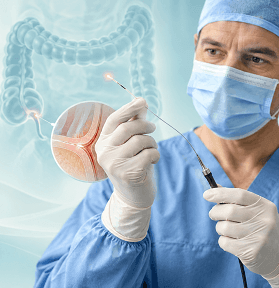
Advanced FiLaC (Fistula Laser Closure) – Sphincter-Saving & Painless Treatment in Dehradun
Say goodbye to painful cutting surgeries and long recovery times. FiLaC uses targeted radial laser energy to shrink and close the fistula tract naturally while 100% preserving your sphincter muscles. Performed by senior colorectal experts at Arihant Hospital, Dehradun.
22+
Years of Experience
45,000+
Number of Procedures
4.9 / 5.0
Patient Rating
15 Mins
Response Time
Are You Experiencing Anal Fistula Symptoms?
An anal fistula is an abnormal tunnel connecting the infected anal gland to the skin. Select all signs you are experiencing:
Untreated fistulas rarely heal on their own and can branch into complex tracts, leading to chronic infection and risk of incontinence with traditional cutting surgeries.
Why FiLaC is the Gold Standard for Fistula
Traditional fistula surgeries (like fistulotomy) require cutting through the anal sphincter muscles, carrying a lifelong risk of fecal incontinence. FiLaC uses a precision radial laser fiber that destroys and seals the tract from inside without cutting any muscle.
100% Sphincter Preservation
Absolute protection of anal sphincter functions with zero risk of postoperative incontinence.
Painless & Minimal Healing Time
No open surgical wounds or painful dressing changes. Return to routine life within 24–48 hours.
High Success & Low Recurrence
Controlled radial energy delivery ensures thorough tract obliteration and robust tissue healing.
Your FiLaC Treatment Journey at Arihant Hospital
Clinical Assessment
Detailed proctoscopic examination and fistula tract mapping with our senior specialist.
Tract Mapping or Diagnosis
Advanced MRI fistulography or ultrasound to precisely chart internal openings and branching.
Laser Closure or Treatment
Painless 20-minute FiLaC laser procedure under short anesthesia with zero muscle cutting.
Recovery and Follow-Up
Same-day discharge, minimal post-op care, and guided healing check-ins.
Advanced FiLaC Protocol Insights
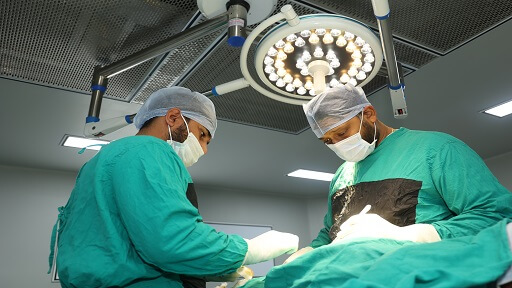
Precision Radial Laser Fiber Technology
The FiLaC fiber emits laser energy circumferentially (360 degrees), ablating and destroying the epithelial lining of the fistula tract while shrinking the tract down to complete closure without harming surrounding sphincter muscle fibers.
Accurate Fistula Mapping
Before the procedure, high-resolution diagnostic imaging maps the primary tract and any secondary horse-shoe extensions, ensuring complete and permanent eradication during laser treatment.
Rapid Healing & Zero Downtime
Patients walk out of the hospital within hours of the procedure. Normal diet and light daily activities can be resumed immediately with minimal postoperative discomfort.
The Gold Standard Care: FiLaC Laser Closure at Arihant Hospital
Experience world-class proctological care in Dehradun. Our specialized laser unit combines advanced diagnostic mapping with state-of-the-art radial laser systems for a permanent, painless cure.
Consult Our Senior Specialist

Dr. Abhishek Jain
MS (Gen Surgery), FAMAS, FAAOS, FICSPioneering advanced laser proctology in Uttarakhand with over 3,000+ successful laser surgeries for piles, fissures, and complex anal fistulas.
chat Book Appointment via WhatsApp100% Transparent Financial Coverage
We ensure smooth cashless processing with all government panels and private insurers for FiLaC procedures:
No Private Health Insurance?
Avail 0% Interest Monthly Installments (EMI) with instant paperless verification for laser surgical packages.
Advised Open Surgery or Seton Placement Elsewhere? Get a Free FiLaC Opinion
Upload your MRI fistulography or clinical report. Our Senior Surgical Board evaluates your fistula tract free of charge and lets you know if you are eligible for the sphincter-saving FiLaC procedure within 2 hours.
Frequently Asked Questions about FiLaC
What is FiLaC and how does it work?
FiLaC means fistula-tract laser closure. A radial laser fiber is passed through the fistula tract to deliver energy intended to treat the tract while preserving the surrounding sphincter as much as possible. Suitability and expected results depend on the individual fistula.
Who may be considered for FiLaC treatment?
FiLaC may be considered for selected anal fistulas after specialist assessment. The fistula's course, branches, prior treatment, symptoms, and the patient's health all help determine the appropriate treatment.
How is an anal fistula assessed before FiLaC?
Assessment typically includes a review of symptoms and medical history and a clinical examination. Imaging, such as MRI, may be recommended to map the fistula and identify branches before treatment.
Is FiLaC surgery painful?
The procedure is performed with an appropriate anesthetic, and discomfort during recovery varies. Your surgeon can explain pain management and what to expect based on the planned procedure.
Does FiLaC guarantee that the fistula will not return?
No fistula procedure can guarantee healing or prevent recurrence in every case. Outcomes depend on factors such as fistula anatomy, healing, and individual health; discuss expected benefits, risks, and alternatives with your surgeon.
How long does recovery after FiLaC take?
Recovery time varies by the procedure and the individual. Follow your surgeon's instructions about wound care, activity, and follow-up, and ask when it is appropriate to return to work or exercise.
What symptoms after treatment should prompt medical advice?
Contact your care team if you develop fever, worsening pain, heavy bleeding, increasing swelling, or other concerning symptoms. Follow the specific aftercare and urgent-contact instructions provided by your clinician.
Are FiLaC procedures covered under ECHS, CGHS, or insurance?
Coverage depends on the applicable scheme or policy, eligibility, approvals, and treatment details. Contact the hospital's cashless desk and your insurer to confirm current coverage before planning treatment.