Struggling with Severe Constipation & ODS? Advanced STARR Surgery in Dehradun
Suffering from Obstructed Defecation Syndrome (rectocele and mucosal prolapse)? Get permanent relief with state-of-the-art STARR Surgery (Stapled Transanal Rectal Resection) performed by senior specialists at Arihant Hospital.

Struggling with Severe Constipation & ODS? Advanced STARR Surgery in Dehradun
Suffering from Obstructed Defecation Syndrome (rectocele and mucosal prolapse)? Get permanent relief with state-of-the-art STARR Surgery (Stapled Transanal Rectal Resection) performed by senior specialists at Arihant Hospital, Dehradun.
22+
Years of Experience
45,000+
Number of Procedures
4.9 / 5.0
Patient Rating
15 Mins
Response Time
Are You Experiencing Symptoms of Obstructed Defecation (ODS)?
Chronic constipation caused by structural blockages often does not respond to regular laxatives or diet changes. Select all indicators that apply to you:
Untreated ODS and rectal prolapse can lead to chronic bleeding, hemorrhoids, anal fissures, and significantly diminish your daily quality of life.
Understanding Rectocele & Obstructed Defecation (ODS)
Obstructed Defecation Syndrome occurs due to anatomical abnormalities like a rectocele (weakening of the tissue wall between the rectum and vagina) or internal mucosal prolapse, creating a pouch that traps stool.
Rectocele Formation
Weakening of the rectovaginal septum causes the rectal wall to bulge, trapping feces during evacuation.
Internal Mucosal Prolapse
Redundant rectal lining slips downward and acts like an internal valve blocking the anal canal.
Secondary Complications
Continuous straining leads to painful hemorrhoids, anal fissures, and pelvic floor fatigue.
Your STARR Surgery Journey at Arihant Hospital
Clinical Assessment
Detailed symptom review, proctoscopy, and defaecography evaluation with our senior specialists.
Tract Mapping or Diagnosis
Identifying exact rectal prolapse depth and rectocele dimensions for precise surgical planning.
STARR Surgery Procedure
Minimally invasive stapled resection removing redundant tissue and restoring normal rectal anatomy.
Recovery and Follow-Up
Rapid recovery with normal bowel habits restored, backed by expert post-operative guidance.
Advanced Colorectal Protocols
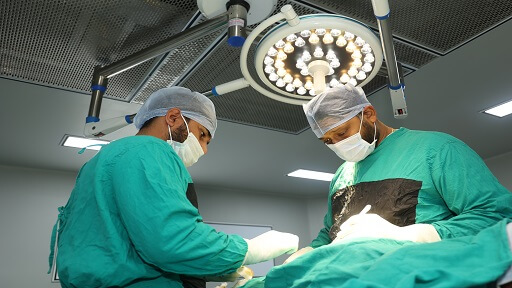
Stapled Transanal Rectal Resection (STARR)
STARR is a state-of-the-art surgical technique designed for patients with Obstructed Defecation Syndrome. Using specialized circular staplers, redundant prolapsed rectal tissue and rectoceles are excised internally in a single step, restoring proper rectal geometry without external skin cuts.
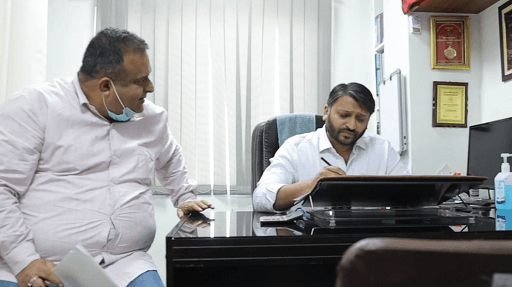
Comprehensive ODS Diagnostics
Our diagnostic evaluation includes clinical proctoscopy, dynamic magnetic resonance defecography, or barium swallow studies to precisely map out structural blockages and pelvic floor dynamics.
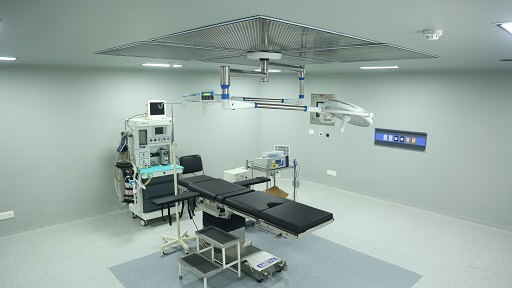
Fast, Pain-Free Postoperative Recovery
Because STARR surgery is performed transanally with no abdominal wounds, hospital stay is minimal (1-2 days) and patients experience rapid return to normal, effortless bowel movements.
The Gold Standard Care: STARR Surgery for Lasting Relief
When laxatives and lifestyle modifications fail due to anatomical prolapse, STARR surgery offers a definitive, anatomically sound correction that eliminates straining and restores normal bowel emptying.
Consult Our Senior Specialist

Dr. Abhishek Jain
MS (Gen Surgery), FAMAS, FAAOS, FICSOver 2,500+ successful advanced stapled colorectal procedures performed with precision, ensuring minimal pain and rapid return to normal life.
chat Book Appointment via WhatsApp100% Transparent Financial Coverage
We ensure smooth cashless processing with all government panels and private insurers:
No Private Health Insurance?
Avail 0% Interest Monthly Installments (EMI) with instant paperless verification for surgeries and hospital packages.
Diagnosed with ODS or Advised Colorectal Surgery Elsewhere?
Upload your existing defecography, colonoscopy, or proctoscopy report. Our Senior Surgical Board evaluates your diagnostic findings free of charge and provides an unbiased clinical opinion within 2 hours.
Frequently Asked Questions
What is STARR surgery and how may it help obstructed defecation?
STARR (Stapled Transanal Rectal Resection) is a procedure performed through the anal canal for selected cases of obstructed defecation associated with rectal structural problems. A specialist assesses whether it is appropriate after evaluating symptoms and test results.
Who may be considered for STARR surgery?
STARR may be considered for some people with obstructed defecation linked to rectal prolapse or a rectocele, after other causes and treatment options are assessed. Suitability is individual and should be determined by a colorectal surgeon.
What tests are used to assess constipation before STARR?
Evaluation may include a medical history, physical examination, proctoscopy, and tests such as defecography or anorectal function studies. Your clinician will select investigations based on your symptoms and examination findings.
Does STARR surgery involve external cuts?
STARR is performed transanally, through the anal canal, so it generally does not require an abdominal incision. Your surgeon can explain the planned procedure and its risks in your specific case.
What are the possible risks or complications of STARR surgery?
As with any operation, STARR can have risks, which may include bleeding, pain, infection, urgency, or other bowel-function changes. The risks vary by patient; discuss potential complications and alternatives with your surgeon.
How long is recovery after STARR surgery?
Recovery and hospital stay depend on the procedure and individual healing. Follow the care team's instructions for activity, bowel habits, diet, and follow-up, and ask when to return to work or exercise.
Will STARR surgery cure constipation?
Improvement cannot be guaranteed, and constipation can have multiple causes. The expected benefit depends on whether a structural problem is contributing to symptoms; your specialist can discuss likely outcomes and non-surgical options.
Are STARR consultations and surgery covered under ECHS, CGHS, or insurance?
Coverage depends on the applicable scheme or policy, eligibility, approvals, and treatment details. Contact the hospital's cashless desk and your insurer to confirm current coverage before planning treatment.