Severe Joint Pain After Fever? Get Expert Chikungunya Care & Joint Recovery
Chikungunya is not just a fever that passes — it can leave you with weeks or months of painful, stiff joints that disrupt work, sleep and daily life. Arihant Hospital, Dehradun, offers same-day chikungunya testing, structured pain management and physiotherapy-led joint recovery, so you recover faster and more completely.

Severe Joint Pain After Fever? Get Expert Chikungunya Care & Joint Recovery
Chikungunya is not just a fever that passes — it can leave you with weeks or months of painful, stiff joints that disrupt work, sleep and daily life. Arihant Hospital, Dehradun, offers same-day chikungunya testing, structured pain management and physiotherapy-led joint recovery, so you recover faster and more completely.
22+
Years of Experience
2,200+
Chikungunya Cases Managed
4.9 / 5.0
Patient Rating
Same Day
Test Reports
Is This Chikungunya? Watch For These Signs
Chikungunya typically appears 3–7 days after an infected mosquito bite. Select any symptoms you're experiencing:
Why Chikungunya Should Be Treated Promptly
Chikungunya is rarely fatal, but it leaves a lasting toll. For some patients, joint pain evolves into chronic inflammatory arthritis that persists for months. Others develop fatigue, sleep disturbance or mood changes. Early diagnosis, appropriate pain management and structured physiotherapy make the difference between full recovery and a slow, protracted recovery.
Chronic Joint Pain
Up to 40% of patients report persistent joint pain and stiffness for months after acute illness.
Prolonged Fatigue
Post-chikungunya fatigue can last weeks, affecting work and daily function.
Neurological Involvement
Rarely, chikungunya can affect the nervous system, especially in newborns and older adults.
Your Chikungunya Care Journey
Fever Evaluation
Detailed history including travel, exposure and joint involvement pattern.
Diagnostic Testing
Chikungunya IgM, RT-PCR, CBC and parallel testing for dengue to distinguish the two.
Pain & Fever Control
Structured analgesia, hydration and rest, avoiding NSAIDs in the early phase.
Physiotherapy Recovery
Graduated joint mobilisation and strengthening to prevent chronic stiffness.
Chikungunya Care at Arihant Hospital
Chikungunya Diagnostic Panel
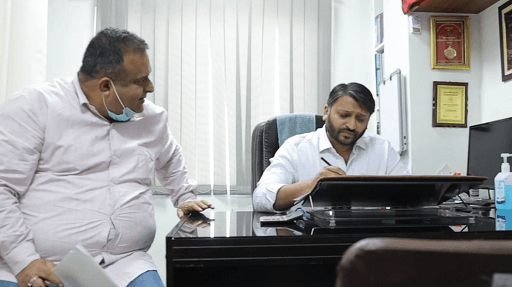
Chikungunya IgM antibody testing is best between day 4 and 14 of illness; RT-PCR is most sensitive in the first few days. Because chikungunya and dengue share the same mosquito and can co-occur, we test for both in parallel along with a CBC and inflammatory markers. This is crucial — treatment of the two conditions differs, especially around the use of anti-inflammatory drugs.
Supportive Care & Pain Management
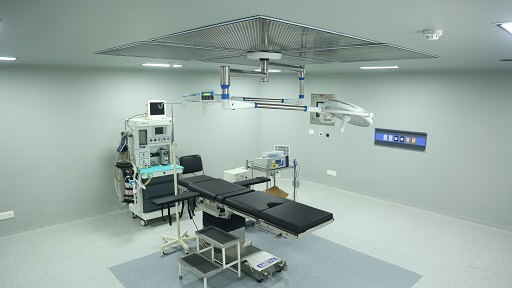
There is no antiviral cure — treatment focuses on controlling fever, hydration and pain. During the first week (while dengue is still excluded), paracetamol is preferred, avoiding NSAIDs to reduce bleeding risk. Once dengue is ruled out, short courses of NSAIDs and, when needed, hydroxychloroquine or steroids may help persistent joint inflammation. Rest, adequate fluids and simple analgesia form the backbone of recovery.
Physiotherapy-Led Joint Recovery
Persistent joint stiffness after chikungunya responds well to structured physiotherapy. Our physiotherapy team designs graduated mobilisation, stretching and strengthening programmes that restore range of motion without triggering flare-ups. Heat therapy, gentle range-of-motion exercises and progressive resistance training are integrated into a 4–12 week plan tailored to your joints involved. Early physiotherapy also prevents muscle wasting during the recovery phase.
Recover Fully — Not Just From The Fever
Chikungunya recovery is more than the fever breaking. Our integrated programme combines pain control, physiotherapy and specialist follow-up so your joints — and your energy — return to normal.
Consult Our Senior Specialist
100% Transparent Financial Coverage
Chikungunya hospitalisation, if needed, is covered by most insurance policies:
Fever + Joint Pain? Get Your Reports Reviewed Free
Upload your chikungunya IgM or RT-PCR report on WhatsApp. Our medical team reviews it free of charge and advises treatment, home care and physiotherapy recommendations — usually within 2 hours.
upload_fileUpload Chikungunya Report via WhatsApp
Frequently Asked Questions
Answers on chikungunya symptoms, testing, joint pain and recovery.
callSpeak with our care teamChikungunya is a viral infection transmitted by Aedes mosquitoes. It causes sudden high fever and severe joint pain that can last for weeks or even months.
Both are spread by Aedes mosquitoes, but chikungunya causes more prominent joint pain and less bleeding risk, whereas dengue can cause low platelets and bleeding. Blood tests distinguish the two.
Symptoms include sudden high fever, severe joint pain and swelling (especially hands, wrists, ankles), muscle pain, headache, fatigue and sometimes a rash.
Acute joint pain usually improves within 1 to 2 weeks, but some patients experience persistent joint pain and stiffness for months. Physiotherapy and anti-inflammatory care help recovery.
Diagnosis is by chikungunya IgM antibody and RT-PCR testing along with complete blood count. Dengue and other mosquito-borne infections are often tested in parallel.
There is no widely available vaccine for chikungunya in India. Prevention focuses on avoiding mosquito bites and eliminating breeding sites.
No. Chikungunya is a viral infection and antibiotics are not useful. Treatment focuses on rest, hydration, pain control and, in the recovery phase, physiotherapy.
Most insurance policies cover chikungunya treatment including hospitalisation if required. Contact the hospital desk to confirm your policy details.