Dengue Fever? Get Rapid Testing, Expert Monitoring & 24×7 Emergency Support
Dengue can become dangerous within hours of the critical phase. Early diagnosis, careful hydration and platelet monitoring are the difference between a quick recovery and a hospital emergency. Arihant Hospital, Dehradun, offers same-day dengue NS1 and IgM testing, daily platelet monitoring and a fully-equipped medical ICU for severe cases — because the window between a "simple fever" and severe dengue can be frighteningly narrow.

Dengue Fever? Get Rapid Testing, Expert Monitoring & 24×7 Emergency Support
Dengue can become dangerous within hours of the critical phase. Early diagnosis, careful hydration and platelet monitoring are the difference between a quick recovery and a hospital emergency. Arihant Hospital, Dehradun, offers same-day dengue NS1 and IgM testing, daily platelet monitoring and a fully-equipped medical ICU for severe cases — because the window between a "simple fever" and severe dengue can be frighteningly narrow.
22+
Years of Experience
3,500+
Dengue Patients Treated
4.9 / 5.0
Patient Rating
24×7
Emergency Support
Are You Experiencing Any Dengue Warning Signs?
Dengue progresses in phases. From day 3 to day 7, watch for these signs — they indicate the critical phase and require immediate medical attention:
Severe dengue can progress to shock within 12–24 hours. If you or a family member shows any warning sign above, come to the emergency department immediately. Do not wait for the next morning.
Why Dengue Must Be Taken Seriously
Dengue is caused by one of four related viruses spread by the Aedes mosquito. The virus attacks platelets and the lining of blood vessels. In the critical phase — usually between day 3 and day 7 — plasma can leak from vessels into surrounding tissues, causing a dangerous drop in blood pressure. That is what turns a routine fever into dengue shock syndrome. Because the timeline is unpredictable, monitoring matters more than any single treatment.
Thrombocytopenia (Low Platelets)
Platelets can drop rapidly, increasing bleeding risk. Daily counts are essential during the critical phase.
Dengue Shock Syndrome
Plasma leakage causes a sudden drop in blood pressure. This is a medical emergency requiring ICU-level care.
Organ Impairment
Severe dengue can affect the liver, kidneys and heart. Early ICU support dramatically improves outcomes.
Your Dengue Care Journey at Arihant Hospital
Rapid Testing
Same-day NS1 antigen, dengue IgM and complete blood count to confirm the diagnosis and stage of illness.
Risk Stratification
Assessment of warning signs, platelet trend and hydration status to decide home care vs hospitalisation.
Supportive Treatment
Structured hydration, fever control with paracetamol, and daily platelet and vitals monitoring.
Recovery & Follow-Up
Post-dengue check for fatigue, platelet recovery and safe return to normal activity.
Advanced Dengue Care at Arihant Hospital
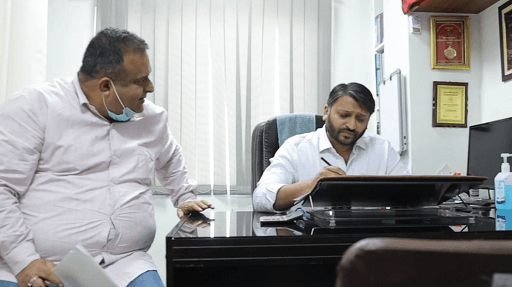
Rapid Dengue Diagnostic Panel
Our in-house lab provides same-day dengue NS1 antigen and IgM antibody tests, along with daily complete blood counts to track platelet and hematocrit trends. When indicated, we also run liver function tests, NS1/IgG serology and dengue serotype testing. Results are reviewed the same day, and if warning signs appear, admission is arranged immediately — no waiting for the next morning's OPD.
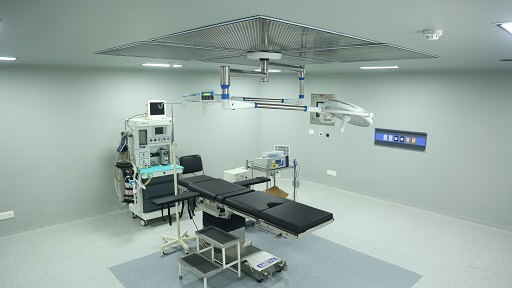
Supportive Treatment & Close Monitoring
There is no specific antiviral for dengue — the treatment is careful, structured supportive care. That means controlled oral or IV hydration, paracetamol for fever (avoiding aspirin and NSAIDs), continuous monitoring of vitals, urine output and platelet count, and prompt intervention if warning signs appear. Patients with severe dengue or shock are managed in our medical ICU with central monitoring, plasma expanders and specialist supervision round the clock.
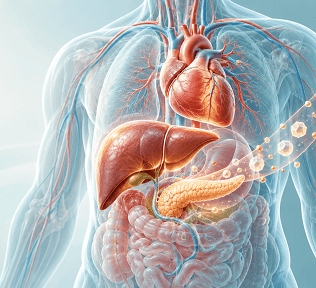
Post-Dengue Recovery & Follow-Up
After the fever resolves, many patients experience weeks of fatigue, mild hair fall and body aches. We schedule a post-dengue review at 2 and 4 weeks to confirm platelet recovery, check for any liver or kidney changes, and advise on gradual return to work, diet and activity. Serious complications are rare, but a structured follow-up ensures nothing is missed.
Dengue Managed Right — From Day 1 to Full Recovery
The difference between a smooth dengue recovery and a hospital emergency is early testing, structured hydration and vigilant monitoring through the critical phase. Our team provides all three.
Consult Our Senior Specialist
100% Transparent Financial Coverage
Dengue hospitalisation is covered by most insurance policies. We ensure smooth cashless processing:
Worried About a Low Platelet Count or Dengue Report?
Upload your dengue NS1 report, CBC or platelet count on WhatsApp. Our medical team reviews it free of charge and advises whether home monitoring is safe or if immediate hospitalisation is needed — usually within 2 hours.
upload_fileUpload Dengue Report via WhatsApp
Frequently Asked Questions
Answers on dengue symptoms, testing, warning signs and care.
callSpeak with our care teamDengue fever is a viral infection transmitted by the bite of an infected Aedes mosquito. It causes high fever, severe body aches, headache, rash and in severe cases, bleeding and low platelets.
Dengue is spread by the Aedes aegypti mosquito, which bites mostly during the daytime. It is not spread person to person, though an infected person can infect mosquitoes that then bite others.
Warning signs include persistent vomiting, severe abdominal pain, bleeding gums or nose, blood in vomit or stool, rapid breathing, cold clammy skin, restlessness and a sudden drop in platelets.
If you have high fever with severe body aches, headache or rash, especially during the monsoon season, get tested. NS1 antigen, dengue IgM and CBC are commonly used tests.
There is no specific antiviral for dengue. Treatment is supportive, focusing on hydration, fever and pain control with paracetamol, and monitoring of platelet counts and warning signs. Aspirin and NSAIDs should be avoided.
Most people recover within 7 to 14 days. The critical phase usually occurs between day 3 and day 7 of illness, when platelet counts can drop and warning signs must be watched for closely.
Prevention focuses on mosquito control, using repellents, wearing full-sleeve clothing, using bed nets and eliminating standing water where Aedes mosquitoes breed.
Yes, most insurance policies cover dengue treatment including hospitalisation. Contact the hospital desk to confirm your specific policy coverage and pre-authorization requirements.