Living with Diabetes? Get Structured, Long-Term Care for Type 1 & Type 2 Diabetes
Effective diabetes care is not just about medicines — it's about understanding your body, your sugars and your lifestyle. Get a personalised diabetes management plan from our senior internal medicine specialists at Arihant Hospital, Dehradun. We combine modern diagnostic tools, evidence-based medication and realistic lifestyle coaching so you can live well with diabetes.

Living with Diabetes? Get Structured, Long-Term Care for Type 1 & Type 2 Diabetes
Effective diabetes care is not just about medicines — it's about understanding your body, your sugars and your lifestyle. Get a personalised diabetes management plan from our senior internal medicine specialists at Arihant Hospital, Dehradun. We combine modern diagnostic tools, evidence-based medication and realistic lifestyle coaching so you can live well with diabetes.
22+
Years of Experience
8,000+
Diabetes Patients Managed
4.9 / 5.0
Patient Rating
15 Mins
Response Time
Are You Experiencing Any of These Diabetes Warning Signs?
Diabetes can develop slowly and quietly. Select all indicators that apply to you — they may point to high or unstable blood sugar that needs evaluation:
Uncontrolled diabetes silently damages the heart, kidneys, eyes and nerves over years. Early diagnosis and consistent care dramatically reduce these risks. If you recognise any of the signs above, an HbA1c and glucose test today is the smartest next step.
Why Diabetes Should Never Be Ignored
Diabetes is fundamentally a problem of insulin — either the body does not make enough of it, or cells stop responding to it. When blood sugar stays high for years, the damage accumulates silently. Blood vessels become stiff, nerves lose sensitivity, the kidneys filter under strain, and the heart and brain come under increasing pressure. Controlling sugar is not just about numbers — it is about protecting your organs for the decades ahead.
Heart & Blood Vessel Damage
Diabetes doubles to quadruples the risk of heart attack, stroke and peripheral vascular disease because high glucose damages artery walls and accelerates atherosclerosis.
Kidney Damage (Nephropathy)
Uncontrolled diabetes is a leading cause of chronic kidney disease and dialysis in India. Early detection through urine microalbumin and creatinine screening is essential.
Eye & Nerve Damage
Diabetic retinopathy, neuropathy and foot ulcers can lead to vision loss and amputations if not detected and managed early. Annual eye and foot screening is vital.
Your Diabetes Care Journey at Arihant Hospital
Clinical Assessment
Detailed history, review of your current medicines and glucose logs, physical examination and check for early complications.
Diagnostic Profiling
HbA1c, fasting & post-prandial glucose, lipid profile, kidney function, urine microalbumin and eye examination when needed.
Personalised Treatment
Insulin or oral agents chosen for your pattern, dietary plan, structured activity goals and complication-specific therapy.
Long-Term Follow-Up
Regular HbA1c and complication screening, medicine optimisation and lifestyle coaching to lock in long-term control.
Advanced Diabetes Care at Arihant Hospital
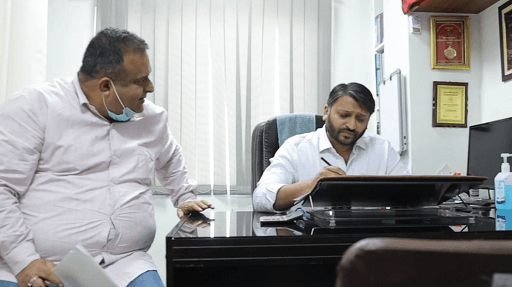
Comprehensive Diabetes Diagnostic Panel
Our in-house laboratory evaluates fasting and post-prandial glucose, HbA1c, oral glucose tolerance test, lipid profile, kidney function tests, urine microalbumin and, where indicated, thyroid and vitamin panels. These tests confirm the diagnosis, gauge how well you have been controlled over the past three months, and screen for early signs of complications in the eyes, kidneys and nerves. Results are interpreted in the context of your symptoms, other conditions and lifestyle — not as isolated numbers.
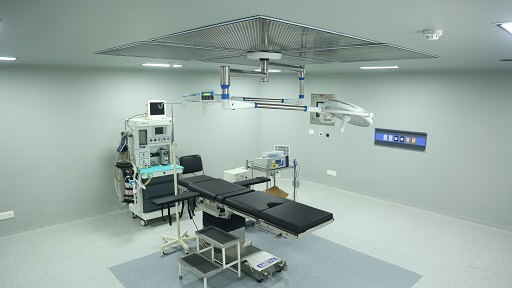
Personalised Diabetes Treatment Plan
Treatment is tailored to your diabetes type, HbA1c, lifestyle and other health conditions. Options include metformin and other oral agents, newer classes such as SGLT2 inhibitors and GLP-1 receptor agonists that also protect the heart and kidneys, and insulin therapy when needed — ranging from basal insulin to basal-bolus regimens. Alongside medication, we build a realistic nutrition plan, an achievable activity goal and a sleep and stress management strategy, because treatment that fits your life is treatment that works.
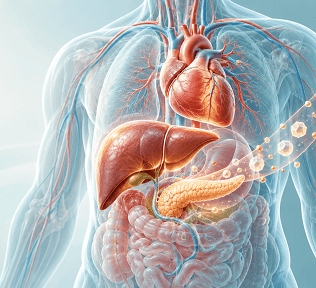
Continuous Monitoring & Complication Screening
Because diabetes affects the whole body, monitoring is more than just checking sugar. We track HbA1c every three to six months, review home glucose logs, check blood pressure and lipids, screen the kidneys annually with urine microalbumin and creatinine, and refer for dilated eye examinations and foot checks at recommended intervals. When needed we also consider continuous glucose monitoring (CGM) to understand glucose variability overnight and after meals. This comprehensive approach catches problems long before they become serious.
The Gold Standard Care: Medication Plus Lifestyle
No single tablet controls diabetes. The best outcomes come from combining the right medication with sustainable changes to what you eat, how you move and how you sleep. Our team builds a plan that treats the whole picture — not just the number on the glucometer.
Consult Our Senior Specialist
100% Transparent Financial Coverage
We ensure smooth cashless processing with all government panels and private insurers so you can focus on recovery:
No Private Health Insurance?
Avail 0% Interest Monthly Installments (EMI) with instant paperless verification for consultations, diagnostic packages, admission and long-term treatment plans.
Recently Diagnosed with Diabetes or Advised Insulin Elsewhere?
Upload your recent HbA1c report, fasting glucose or existing prescriptions. Our senior medical board evaluates your findings free of charge and provides an unbiased second opinion within 2 hours — including whether insulin is genuinely necessary or if an alternative approach makes sense.

Frequently Asked Questions
Clear, honest answers to the questions we hear most often about diabetes screening, treatment and long-term care.
Speak with our care teamDiabetes mellitus is a chronic metabolic condition in which blood glucose levels remain elevated because the body either does not produce enough insulin or cannot use insulin effectively. Over time, high blood sugar can damage the heart, kidneys, eyes, nerves and blood vessels.
Type 1 diabetes is an autoimmune condition in which the pancreas produces little or no insulin and lifelong insulin therapy is required. Type 2 diabetes develops when the body becomes resistant to insulin and the pancreas cannot keep up; it is managed with lifestyle measures, oral medication and sometimes insulin.
Common symptoms include excessive thirst, frequent urination (especially at night), unexplained weight loss or gain, persistent fatigue, blurred vision, slow-healing wounds, tingling in hands or feet, and recurring infections.
Diagnosis is based on fasting blood glucose, post-prandial glucose, HbA1c and, when indicated, an oral glucose tolerance test. Your clinician decides which tests are appropriate based on your symptoms and history.
Many people with Type 2 diabetes manage well with lifestyle modification and oral medication. Type 1 diabetes always requires insulin. Treatment is individualised by your clinician based on your blood sugar patterns, HbA1c and overall health.
Monitoring frequency depends on your treatment plan. Your clinician will advise a schedule based on your goals, current medicines and HbA1c results. HbA1c is usually checked every three to six months.
Long-term uncontrolled blood sugar can affect the eyes (retinopathy), kidneys (nephropathy), nerves (neuropathy), heart (cardiovascular disease) and blood vessels (peripheral vascular disease). Regular screening helps detect problems early.
Coverage depends on your scheme or insurer, eligibility, and the specific service. Contact the hospital desk before your visit to confirm current empanelment, authorization requirements and any out-of-pocket costs.