Recurring Fever with Chills? Get Rapid Malaria Testing & Treatment
Malaria is not just another fever — falciparum malaria can be life-threatening within 24 hours if treatment is delayed. Arihant Hospital, Dehradun, offers same-day rapid diagnostic testing and blood smear examination, and specialist-led antimalarial therapy, so treatment starts before complications do.

Recurring Fever with Chills? Get Rapid Malaria Testing & Treatment
Malaria is not just another fever — falciparum malaria can be life-threatening within 24 hours if treatment is delayed. Arihant Hospital, Dehradun, offers same-day rapid diagnostic testing and blood smear examination, and specialist-led antimalarial therapy, so treatment starts before complications do.
22+
Years of Experience
2,500+
Malaria Patients Treated
4.9 / 5.0
Patient Rating
24×7
Emergency Support
Common Malaria Warning Signs
Falciparum malaria can progress from mild fever to cerebral involvement, kidney failure or shock within 24–48 hours. If you have travelled to a malaria-endemic area recently and develop fever, get tested the same day.
Why Malaria Is Different From Other Fevers
Malaria is caused by Plasmodium parasites, transmitted through the bite of an infected Anopheles mosquito. Unlike dengue or typhoid, malaria has a specific antiparasitic cure — but only when the species and severity are correctly identified. P. falciparum is the most dangerous and can cause rapid deterioration; P. vivax often causes relapse if not treated to the root. Correct species identification drives correct treatment.
Cerebral Malaria
Parasites blocking brain vessels can cause seizures, coma and long-term neurological damage.
Kidney Failure
Severe falciparum malaria can destroy red blood cells and overwhelm kidney function.
Severe Anaemia
Rapid destruction of red blood cells can lead to life-threatening anaemia, especially in children.
Your Malaria Care Journey
Rapid Testing
Same-day malaria RDT and peripheral blood smear to confirm species and parasite load.
Severity Assessment
Evaluation of organ function, haemoglobin, platelets and neurological status.
Targeted Therapy
Species-specific antimalarials — oral ACT for uncomplicated cases, IV therapy for severe malaria.
Recovery & Follow-Up
Repeat smear to confirm cure and prevent relapse, especially in vivax malaria.
Advanced Malaria Care at Arihant Hospital
Rapid Antigen & Blood Smear Testing
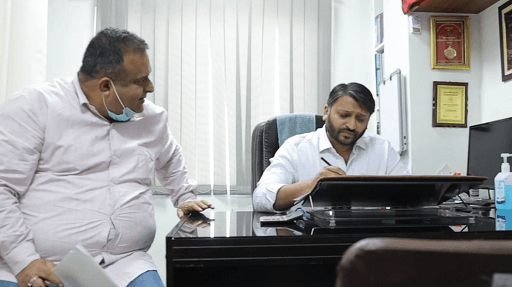
We use two independent methods — the rapid diagnostic test (RDT) for immediate results and the peripheral blood smear for species confirmation and parasite load. Alongside, we run CBC, liver function, kidney function and, when indicated, lactate and blood sugar tests to gauge severity. Parasite load is tracked throughout treatment to confirm clearance.
Species-Specific Antimalarial Therapy
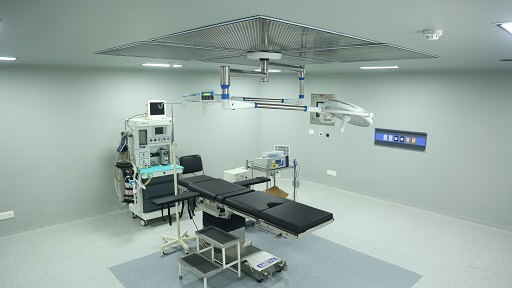
Treatment is tailored to the malaria species. Uncomplicated falciparum malaria is treated with artemisinin-based combination therapy (ACT); vivax malaria also requires primaquine to prevent relapse. Severe or cerebral malaria requires hospitalisation with IV artesunate, careful fluid balance, and organ support in our medical ICU. Treatment is always completed to prevent recurrence.
Confirming Cure & Preventing Relapse
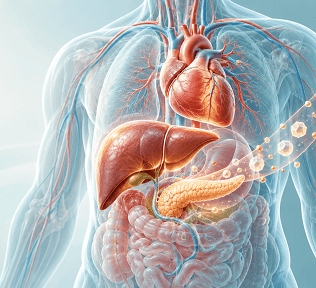
After completing treatment, we repeat the blood smear to confirm clearance of parasites. For P. vivax, we follow up at 3 and 6 months to catch relapse. Post-malaria anaemia is common and is monitored with repeat haemoglobin; iron supplementation is advised only after the infection has fully cleared.
The Right Diagnosis, The Right Antimalarial
Malaria treatment works best when the species is known. We identify it in the first visit and start the right therapy without trial-and-error.
Consult Our Senior Specialist
100% Transparent Financial Coverage
Malaria treatment and hospitalisation are covered by most insurance policies:
Recent Travel + Fever? Get Your Malaria Report Reviewed Free
Upload your malaria RDT or blood smear report on WhatsApp. Our team reviews it free of charge and advises whether you can be managed at home or need hospital admission — usually within 2 hours.
upload_fileUpload Malaria Report via WhatsApp
Frequently Asked Questions
Answers on malaria symptoms, testing and treatment.
callSpeak with our care teamMalaria is a life-threatening parasitic infection caused by Plasmodium species and transmitted by the bite of an infected female Anopheles mosquito.
Symptoms include cyclical fever with chills and sweating, headache, body ache, fatigue, nausea, vomiting and, in severe cases, jaundice, confusion and decreased urine output.
Diagnosis is by rapid diagnostic test (RDT) and peripheral blood smear examination for malarial parasites, along with CBC and other supportive tests.
Plasmodium falciparum is the most dangerous malaria species. It can rapidly progress to severe malaria with cerebral involvement, kidney failure and multi-organ dysfunction.
Treatment depends on the species and severity. Artemisinin-based combination therapies are standard for falciparum malaria. Severe cases require IV antimalarials in hospital with close monitoring.
Prevention focuses on mosquito control, using repellents, bed nets treated with insecticide, wearing protective clothing and taking prophylactic medication when travelling to endemic areas.
Treatment should begin as soon as malaria is confirmed. Delay, especially in falciparum malaria, can lead to severe complications within 24 to 48 hours.
Most insurance policies cover malaria treatment including hospitalisation. Contact the hospital desk to confirm your policy details and pre-authorization requirements.