Burning Urine, Frequent Trips to the Bathroom? Get Expert UTI Treatment
UTIs are common but should never be ignored. Left untreated, a bladder infection can travel up to the kidneys and become a serious systemic illness. Arihant Hospital, Dehradun, offers same-day urine culture and sensitivity testing, culture-guided antibiotic therapy and specialist evaluation for recurrent infections — so you get the right treatment the first time.

Burning Urine, Frequent Trips to the Bathroom? Get Expert UTI Treatment
UTIs are common but should never be ignored. Left untreated, a bladder infection can travel up to the kidneys and become a serious systemic illness. Arihant Hospital, Dehradun, offers same-day urine culture and sensitivity testing, culture-guided antibiotic therapy and specialist evaluation for recurrent infections — so you get the right treatment the first time.
22+
Years of Experience
6,500+
UTI Patients Treated
4.9 / 5.0
Patient Rating
Same Day
Culture Reports
Common UTI Symptoms
Bladder infections cause lower urinary symptoms, while kidney infections cause more systemic signs. Select all that apply:
Why Untreated UTIs Are Dangerous
Most UTIs start as bladder infections and can be cured with a short antibiotic course. But if the infection ascends to the kidneys, it can cause high fever, sepsis and permanent kidney damage. Recurrent UTIs also signal an underlying problem — a stone, structural abnormality or incomplete bladder emptying — that needs evaluation.
Kidney Infection (Pyelonephritis)
Ascending infection causing high fever, chills, flank pain and vomiting.
Sepsis & Shock
A serious complication that requires ICU-level care and IV antibiotics.
Kidney Scarring
Repeated kidney infections can cause permanent kidney damage over time.
Your UTI Care Journey
Symptom Evaluation
Clinical assessment of symptoms, risk factors and history of recurrence.
Urine Culture & Imaging
Urine routine, culture-sensitivity and ultrasound where indicated.
Culture-Guided Antibiotics
Targeted antibiotic therapy with adequate hydration and pain control.
Recurrence Prevention
Behavioural advice, hydration strategy and further evaluation if needed.
UTI Care at Arihant Hospital

Urine Culture & Sensitivity Testing
Urine routine microscopy reveals infection, pus cells and blood, but only a culture tells us the exact bacteria and which antibiotics will work. This matters because E. coli and other uropathogens are now commonly resistant to first-line antibiotics in India. In recurrent or complicated cases, we add ultrasound or CT of the urinary tract to look for stones, obstruction or structural abnormalities.
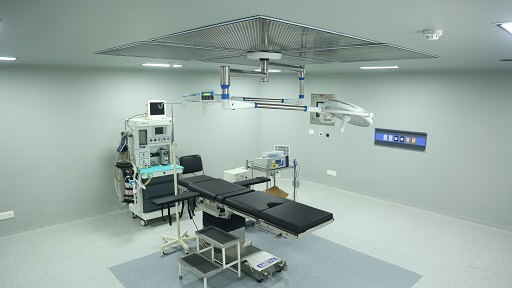
Culture-Guided Antibiotic Therapy
Uncomplicated bladder infections respond well to a 3–7 day oral antibiotic course chosen by culture. Kidney infections need a longer course, sometimes IV therapy, and may require hospitalisation. We avoid blind antibiotic use because it drives resistance and delays recovery. Alongside antibiotics we recommend increased fluids, urinary analgesics if needed, and treatment of any predisposing factors such as diabetes or stones.
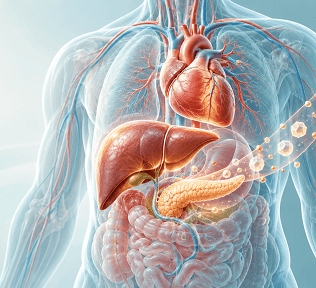
Preventing Recurrence
For recurrent UTIs, prevention is as important as treatment. We advise drinking 2–3 litres of water daily, urinating after intercourse, avoiding spermicides and douching, and maintaining hygiene without over-washing. Postmenopausal women may benefit from topical oestrogen. In selected cases, low-dose prophylactic antibiotics or methenamine may be considered. Any underlying stone, obstruction or diabetes is addressed concurrently.
The Right Antibiotic, The Right Duration
Resistant UTIs are increasing. Culture-guided treatment avoids failed courses, prevents kidney infection and reduces recurrence.
Consult Our Senior Specialist
100% Transparent Financial Coverage
UTI treatment, including hospitalisation for kidney infections, is covered by most insurance policies:
Recurrent UTI? Get Your Reports Reviewed Free
Upload your urine culture report on WhatsApp. Our team reviews it free of charge and advises the right antibiotic and further steps — usually within 2 hours.
upload_fileUpload Urine Report via WhatsApp
Frequently Asked Questions
Answers on UTI symptoms, diagnosis, treatment and prevention.
callSpeak with our care teamA UTI is an infection of any part of the urinary system, including the bladder, urethra, ureters or kidneys, most commonly caused by bacteria such as E. coli.
Symptoms include burning while urinating, frequent urge to urinate, cloudy or foul-smelling urine, lower abdominal pain and, in kidney involvement, fever and flank pain.
Diagnosis is by urine routine and microscopy along with urine culture and sensitivity, which identifies the bacteria and the right antibiotic.
Most UTIs are treated with a short course of antibiotics chosen by culture sensitivity, along with increased fluid intake. Severe or complicated UTIs may need IV antibiotics and hospitalisation.
Recurrent UTIs may result from incomplete bladder emptying, structural abnormalities, kidney stones, diabetes or sexual activity. Evaluation may include ultrasound, urine culture and, in some cases, cystoscopy.
Yes. Prevention includes drinking plenty of water, urinating after intercourse, maintaining hygiene, avoiding spermicides, and prompt treatment of any underlying condition.
UTIs during pregnancy can progress to kidney infection and increase the risk of preterm labour. Pregnant women should be screened and treated promptly with pregnancy-safe antibiotics.
Most insurance policies cover UTI treatment including hospitalisation. Contact the hospital desk to confirm your policy details.