Fever That Won't Go Away? Get a Systematic Fever Workup & Clear Answers
Most fevers resolve in a few days. But when fever persists beyond a week or keeps recurring despite treatment, it needs more than symptomatic care — it needs a systematic diagnostic workup. Arihant Hospital, Dehradun, offers a comprehensive fever evaluation: culture, serology, imaging and specialist interpretation, so you get a diagnosis — not another round of "wait and watch."

Fever That Won't Go Away? Get a Systematic Fever Workup & Clear Answers
Most fevers resolve in a few days. But when fever persists beyond a week or keeps recurring despite treatment, it needs more than symptomatic care — it needs a systematic diagnostic workup. Arihant Hospital, Dehradun, offers a comprehensive fever evaluation: culture, serology, imaging and specialist interpretation, so you get a diagnosis — not another round of "wait and watch."
22+
Years of Experience
5,000+
Fever Cases Evaluated
4.9 / 5.0
Patient Rating
Same Day
Test Reports
Is Your Fever Something to Worry About?
These red-flag signs mean it's time to get evaluated, not self-medicate:
Why We Take Prolonged Fever Seriously
Fever of unknown origin is not a diagnosis — it is a puzzle. The causes fall into three broad groups: infections (the most common), autoimmune diseases, and malignancies. Getting to the right group is essential because the treatment is very different. Systematic evaluation prevents weeks of trial-and-error antibiotics.
Infections
Tuberculosis, typhoid, malaria, endocarditis, HIV and deep-seated abscesses are common causes in India.
Autoimmune Diseases
Lupus, rheumatoid arthritis, vasculitis and inflammatory bowel disease often present with fever.
Malignancies
Lymphomas, leukaemias and renal cell carcinoma can present with prolonged fever and weight loss.
Your Fever Workup at Arihant Hospital
Detailed History
Fever pattern, travel, occupation, exposure, medication and family history — the clues that guide the workup.
First-Line Tests
CBC, ESR, CRP, cultures, urine analysis, chest X-ray, and screens for malaria, dengue, typhoid and TB.
Second-Line Investigations
Autoimmune panel, HIV, imaging (ultrasound, CT, PET when needed) and tissue biopsy if indicated.
Targeted Treatment
Once the cause is identified, treatment is specific — no more blind antibiotics or steroids.
Systematic Fever Evaluation at Arihant Hospital
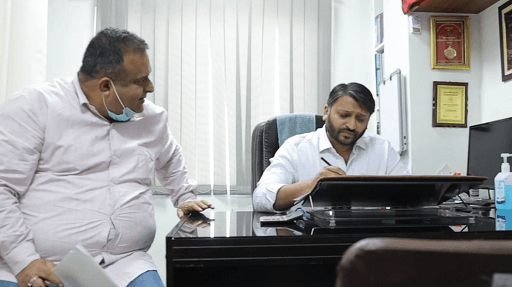
Comprehensive Fever Diagnostic Panel
A structured workup avoids random testing. We start with a complete blood count, ESR, CRP, blood cultures, urine analysis, liver and kidney function tests, and targeted screens for malaria, dengue, typhoid, TB and other regional infections. Depending on initial findings, we escalate to autoimmune panels, imaging (ultrasound, CT, PET), endoscopy or bone marrow studies. Every test is chosen for a reason, and results are reviewed by a specialist, not just a lab sheet.
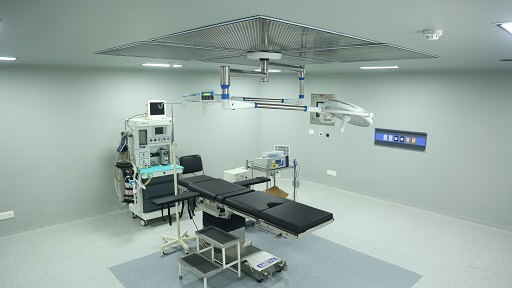
Targeted Treatment, Not Trial Antibiotics
Once the cause is found, treatment is specific. Tuberculosis needs an anti-TB regimen; endocarditis needs prolonged IV antibiotics guided by culture; autoimmune disease needs immunomodulation; malignancy needs oncology input. Blind antibiotic or steroid trials mask diagnoses and delay treatment — we avoid them. Where fever is genuinely viral, we focus on hydration, fever control and reassurance, without unnecessary medicines.
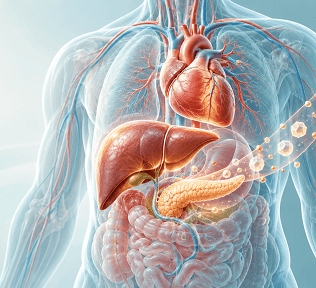
Monitoring & Long-Term Follow-Up
Even after the fever breaks, we schedule follow-up reviews to confirm the underlying cause has resolved, check for recurrence and complete any ongoing therapy. For patients in whom no cause is found despite comprehensive testing, we continue close outpatient monitoring with a structured re-evaluation schedule — because some diagnoses only reveal themselves with time.
Answers, Not Another Round of Guesswork
Prolonged fever needs a plan, not another antibiotic. We find the cause and treat it specifically — one test at a time, one answer at a time.
Consult Our Senior Specialist
Frequently Asked Questions
Answers on viral fever, prolonged fever and FUO evaluation.
callSpeak with our care teamViral fever is a rise in body temperature caused by a viral infection. It usually resolves within a week with rest and hydration, but prolonged or high-grade fever may need evaluation.
FUO is defined as a fever of 38.3 degrees Celsius or higher lasting more than three weeks, with no clear cause after initial evaluation. It requires systematic investigation.
Common causes include infections (tuberculosis, typhoid, malaria, endocarditis, HIV), autoimmune diseases (lupus, rheumatoid arthritis) and, less commonly, malignancies.
Tests include complete blood count, blood cultures, ESR, CRP, liver and kidney function, urine analysis, chest X-ray, and advanced imaging or biopsy when indicated.
See a doctor if fever exceeds 103 degrees Fahrenheit, lasts more than three days, or is accompanied by severe headache, rash, breathlessness, confusion or persistent vomiting.
Most viral fevers are managed with rest, fluids and paracetamol for fever control. Antibiotics are not useful for viral illness. Persistent fever requires evaluation for other causes.
Yes. Prolonged fever can be a sign of serious underlying conditions such as tuberculosis, endocarditis, autoimmune disease or malignancy. Systematic evaluation is essential.
Coverage depends on your policy. Hospitalisation for fever evaluation is usually covered. Contact the hospital desk to confirm details.