Experiencing Pelvic Pain or Irregular Cycles? Advanced Care for Ovarian Cysts
Get accurate diagnosis, advanced ultrasound mapping, and customized medical or minimally invasive surgical treatments with senior gynecological specialists at Arihant Hospital, Dehradun.

15+
Years of Excellence
10,000+
Successful Procedures
4.9 / 5
Patient Rating
15 Min
Response Time
Are You Experiencing Any of These Signs?
Ovarian cysts can remain asymptomatic initially or present with distinct physical indicators. Select all that apply to you:
While many functional cysts resolve independently, complex or persistent cysts require professional medical management to prevent complications like rupture or ovarian torsion.
Types & Root Causes of Ovarian Cysts
Ovarian cysts are fluid-filled sacs within or on the surface of an ovary. They form due to various hormonal variations or cellular developments.
Functional Cysts (Follicular & Corpus Luteum)
The most common type, developing directly from the normal menstrual cycle when a follicle fails to rupture or dissolve properly after releasing an egg.
Endometriomas & Dermoid Cysts
Pathological growths such as chocolate cysts linked with endometriosis or benign tissue-containing dermoid cysts that typically require clinical evaluation.
Polycystic Ovaries (PCOS)
A hormonal condition where multiple small follicles develop along the edges of the ovaries, causing cycle irregularities and metabolic symptoms.
Step-by-Step Clinical Care Pathway
Our standardized protocol guarantees precision and seamless patient comfort from diagnosis to complete recovery.
Clinical Assessment
Comprehensive physical examination and specialist consultation with our senior gynecologists.
Tract Mapping or Diagnosis
High-resolution 3D/4D ultrasound and specialized blood marker panel for accurate cyst profiling.
Laser Closure or Treatment
Targeted medical management or minimally invasive laparoscopic keyhole cystectomy preserving ovarian tissue.
Recovery and Follow-Up
Rapid same-day mobilization, dedicated post-operative wellness suite care, and structured follow-ups.
Advanced Medical & Laparoscopic Cyst Management
From hormonal regulation and conservative monitoring to state-of-the-art keyhole laparoscopic cystectomy, our care pathway preserves ovarian function and ensures rapid recovery.
Interactive Treatment & Clinical Insights
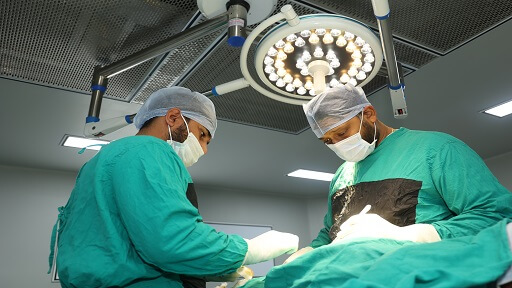
Advanced Laparoscopic & Laser Cystectomy
Using high-definition optical laparoscopes and micro-instrumentation, our senior surgeons safely excise cyst walls while meticulously protecting surrounding ovarian reserve. This ensures minimal blood loss, almost invisible scars, and faster healing.
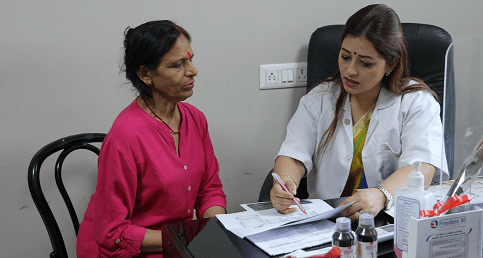
Precise 3D/4D Ultrasound & Blood Profiling
Our advanced diagnostic suite performs detailed Doppler and transvaginal ultrasound imaging to determine cyst dimensions, consistency, and vascularity. Combined with tumor marker assays, we formulate tailored therapeutic strategies.
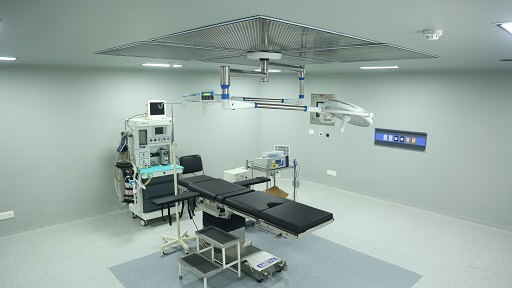
Accelerated Recovery & Wellness Suites
Patients benefit from enhanced recovery protocols (ERAS) enabling early mobilization within hours of surgery, comfortable private recovery rooms, and dedicated post-operative dietary and hormonal counseling.
100% Transparent Financial Coverage
We ensure smooth insurance processing and flexible payment avenues for diagnostic and surgical procedures:
Need Flexible Payment Options?
Avail 0% Interest Monthly Installments (EMI) with instant paperless verification for consultations and surgical care.
Have Previous Ultrasound Reports or Surgical Advice?
Upload your pelvic scans, blood markers, or previous treatment summaries. Our Medical Board evaluates them free of charge and provides an expert second opinion within 2 hours.
Frequently Asked Questions
Answers to common questions about ovarian cyst diagnosis, treatment and recovery.
Understanding Cysts
What is an ovarian cyst?expand_more
An ovarian cyst is a fluid-filled sac that develops on or inside an ovary. Most are functional cysts linked to the menstrual cycle, are harmless, and often disappear on their own.
What are the common symptoms of an ovarian cyst?expand_more
Many cysts cause no symptoms. When present, symptoms include pelvic or lower abdominal pain, bloating, a feeling of fullness, pain during intercourse, irregular periods, and frequent urination.
Do all ovarian cysts require surgical removal?expand_more
No. Many functional cysts are small and resolve naturally over 1 to 3 menstrual cycles. Surgery is typically recommended only for large, persistent, symptomatic, or complex cysts carrying risk factors.
Can an ovarian cyst turn into cancer?expand_more
The vast majority of ovarian cysts are benign. A small number of complex cysts, especially after menopause, need closer evaluation with imaging and tumor markers such as CA-125 to rule out malignancy.
Diagnosis & Treatment
What tests are used to diagnose ovarian cysts?expand_more
Diagnosis primarily relies on a pelvic ultrasound (transabdominal or transvaginal), supplemented by blood tests (such as CA-125 or hormone markers) when evaluating complex features.
When should I see a gynecologist urgently?expand_more
Seek immediate care for sudden severe pelvic pain, fever, vomiting, dizziness, or rapid breathing. These can indicate cyst rupture or ovarian torsion, which are medical emergencies.
Can ovarian cysts be treated without surgery?expand_more
Yes. Small, painless cysts are often managed with watchful monitoring through repeat ultrasounds, and hormonal medication may be advised in selected cases. Your gynecologist will recommend the best approach.
Is laparoscopic surgery painful, and how long is recovery?expand_more
Laparoscopic (keyhole) surgery involves minimal discomfort, tiny incisions, and a much shorter recovery time than open surgery. Most patients are discharged within 24 to 48 hours and resume routines within a week.
Fertility & Lifestyle
Do ovarian cysts affect fertility or pregnancy?expand_more
Most simple cysts do not affect fertility. Conditions such as endometriomas or PCOS-related cysts may, so early evaluation helps. Cystectomy techniques aim to preserve healthy ovarian tissue and ovarian reserve.
Can ovarian cysts come back after treatment?expand_more
Functional cysts can recur with hormonal changes. Regular follow-up scans and personalised hormonal or lifestyle guidance help lower the chance of recurrence.
Is it safe to exercise with an ovarian cyst?expand_more
Light activity such as walking is generally safe. Avoid intense twisting or high-impact exercise with a large cyst because of the risk of torsion, and follow your doctor's advice.
Are ovarian cyst treatments covered under insurance?expand_more
Yes, medically necessary surgical treatments for symptomatic ovarian cysts are covered under standard medical insurance policies and panels like ECHS and CGHS. Our insurance desk handles cashless paperwork directly.