Suffering from Heavy Periods or Pelvic Pressure? Get Advanced Care for Uterine Fibroids
Find lasting relief from non-cancerous growths of the uterus. Get precise ultrasound diagnostics, advanced medical options, and expert laparoscopic or hysteroscopic surgeries with our senior specialists at Arihant Hospital, Dehradun.

Suffering from Heavy Periods or Pelvic Pressure? Get Advanced Care for Uterine Fibroids
Find lasting relief from non-cancerous growths of the uterus. Get precise ultrasound diagnostics, advanced medical options, and expert laparoscopic or hysteroscopic surgeries with our senior specialists at Arihant Hospital, Dehradun.
Are You Experiencing Any of These Signs?
Uterine fibroids vary in size and location, often manifesting through distinct physical symptoms. Select all that apply to you:
Left untreated, heavy bleeding from fibroids can result in chronic anemia, fatigue, and severe pelvic discomfort. Modern interventions offer safe, targeted relief.
Understanding Uterine Fibroids (Leiomyomas)
Fibroids are muscular tumors that grow in the wall of the uterus. Driven by hormonal factors like estrogen and progesterone, they can develop in different locations within the uterine architecture.
Intramural Fibroids
The most common type, developing within the muscular wall of the uterus and causing it to expand or stretch over time.
Submucosal Fibroids
Growing just beneath the inner lining of the cavity, these frequently lead to heavy menstrual bleeding and impact fertility.
Subserosal Fibroids
Developing on the outer surface of the uterus, they can press against adjacent pelvic structures like the bladder or bowels.
Your Treatment Journey at Arihant Hospital
Clinical Assessment
Thorough clinical evaluation by senior gynecologists and medical history review.
Tract Mapping or Diagnosis
Advanced pelvic ultrasound and digital MRI mapping for precise tumor localization.
Laser Closure or Treatment
Targeted medical management or uterus-preserving minimally invasive laparoscopic surgery.
Recovery and Follow-up
Dedicated post-operative wellness suites with structured recovery and follow-up care.
Explore Clinical Procedures & Protocols
Minimally Invasive Laparoscopic & Laser Myomectomy
Our state-of-the-art endoscopic suites allow precision removal of fibroids through tiny keyhole incisions. This advanced approach preserves the uterus, minimizes blood loss, reduces postoperative discomfort, and ensures rapid hospital discharge within 24 to 48 hours.
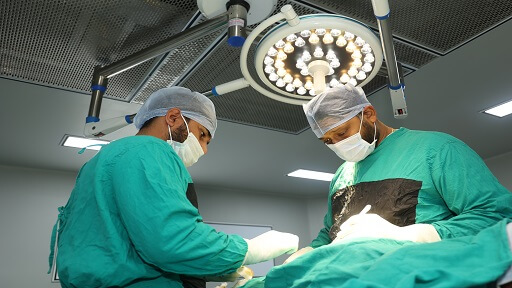
High-Resolution Pelvic Ultrasound & MRI Mapping
Accurate diagnosis is the cornerstone of effective fibroid care. We utilize advanced transvaginal and high-frequency abdominal ultrasonography alongside 3D pelvic mapping to determine the exact count, size, and anatomical position (submucosal, intramural, or subserosal) of every fibroid.
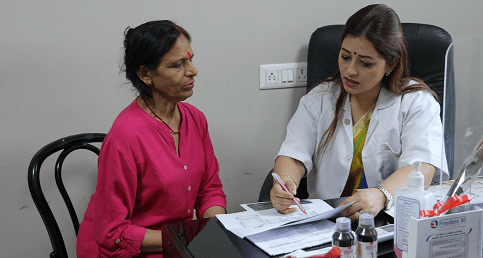
Dedicated Wellness Suites & Post-Operative Care
Recovery at Arihant Hospital is supported by dedicated nursing staff, personalized nutritional guidance, and structured follow-up consultations. Patients experience minimum downtime, resuming normal activities and improved pelvic health within days.
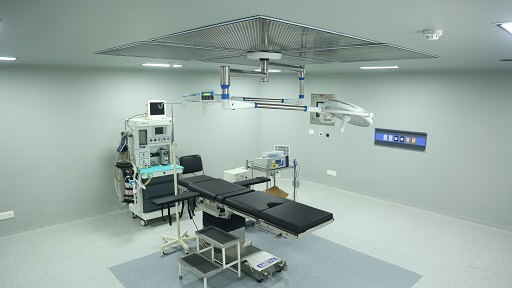
Advanced Medical & Minimally Invasive Surgical Solutions
From hormone-regulating medical therapies to advanced uterus-preserving laparoscopic myomectomies and specialized interventions, our care is designed for fast recovery and symptom relief.
100% Transparent Financial Coverage
We ensure smooth insurance processing and flexible payment avenues for diagnostic and treatment procedures:
Need Flexible Payment Options?
Avail 0% Interest Monthly Installments (EMI) with instant paperless verification for fibroid diagnostics and surgical procedures.
Have Previous Ultrasound Scans or Medical Advice?
Upload your pelvic ultrasound reports, MRI scans, or surgical recommendations. Our Gynecology Board evaluates them free of charge and provides an expert second opinion within 2 hours.
Frequently Asked Questions About Uterine Fibroids
Straight answers from our gynecology team. Still unsure? Ask us on WhatsApp.
Are uterine fibroids cancerous?
No. Uterine fibroids (leiomyomas) are benign, non-cancerous growths of the uterine muscle. They do not increase your risk of uterine cancer, though any rapidly growing mass should be evaluated by a gynecologist.
What are the common symptoms of uterine fibroids?
Common symptoms include heavy or prolonged periods, pelvic pressure or pain, frequent urination, constipation, back pain, pain during intercourse and, in some women, difficulty conceiving. Many women have fibroids with no symptoms at all.
What causes uterine fibroids?
The exact cause is unknown, but hormones (estrogen and progesterone), genetics and family history play a role. Age (30s-50s), obesity and early onset of periods can raise the risk.
How are fibroids diagnosed?
Diagnosis begins with a pelvic examination and ultrasound scan. When needed, MRI or hysteroscopy is used to map the size, number and position of fibroids so the best treatment can be planned.
Do all fibroids need treatment?
No. Small fibroids that cause no symptoms usually only need regular monitoring. Treatment is advised when fibroids cause heavy bleeding, pain, anemia, pressure symptoms or fertility problems.
Can fibroids be treated without removing the uterus?
Yes. A myomectomy removes the fibroids while preserving the uterus, and medicines can help control bleeding and shrink fibroids. These options keep future fertility possible.
When is a hysterectomy recommended?
A hysterectomy may be advised for large or multiple fibroids, severe symptoms that do not respond to other treatment, or when a woman has completed her family and wants a permanent solution. Your doctor will discuss all alternatives first.
What is the recovery time after laparoscopic fibroid removal?
Laparoscopic (keyhole) surgery typically involves a hospital stay of 1 to 2 days, and most patients return to normal routines within 1 to 2 weeks.
Can fibroids affect pregnancy or fertility?
Some fibroids, especially those inside the uterine cavity, can make conceiving harder or raise the risk of miscarriage or complications. Many women with fibroids have healthy pregnancies; a specialist can advise based on your scan.
Can fibroids come back after surgery?
Fibroids can recur after a myomectomy because the underlying tendency remains, while a hysterectomy removes the possibility entirely. Regular follow-up scans help detect any regrowth early.
Can diet and lifestyle help with fibroids?
A healthy weight, regular exercise, plenty of vegetables, fruit and iron-rich foods may help manage symptoms and anemia. Lifestyle changes alone do not remove existing fibroids, so medical advice is still important.
When should I see a doctor?
Consult a gynecologist if you have very heavy or prolonged periods, bleeding between periods, persistent pelvic pain or pressure, tiredness from anemia, or trouble conceiving.
Are fibroid treatments covered under insurance?
Yes. Medically necessary treatment for symptomatic fibroids is typically covered by insurance policies and panels such as ECHS and CGHS. Our insurance desk assists with pre-authorization and cashless processing.
How can I book an appointment at Arihant Hospital, Dehradun?
Call +91-8006385555, use the consultation form on this page, or message us on WhatsApp to book a consultation with our gynecology team.