Struggling with Severe Sciatica & Back Pain? Get Expert Treatment for Spinal Disc Herniation
Don't let shooting nerve pain, numbness, and debilitating lower back stiffness restrict your mobility. Get an accurate diagnosis and fast-track relief with our senior spine and orthopaedic consultants at Arihant Hospital, Dehradun.
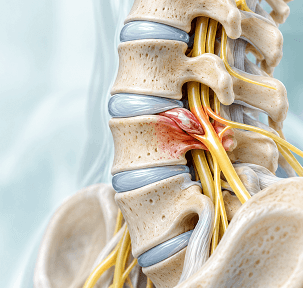
Your Treatment & Recovery Journey
A transparent, stepwise medical journey designed for maximum safety, rapid nerve decompression, and enduring recovery.
Clinical Assessment
Comprehensive neurological examination and physical screening by senior spine consultants.
Tract Mapping or Diagnosis
High-resolution MRI scan analysis to pinpoint exact disc extrusion and nerve root impingement.
Laser Closure or Treatment
Targeted pain management, epidural interventions, or minimally invasive microdiscectomy.
Recovery & Follow-Up
Dedicated post-operative physiotherapy lounge and structured rehabilitation schedule.
Interactive Treatment & Recovery Protocol
Advanced Minimally Invasive Spine Procedures
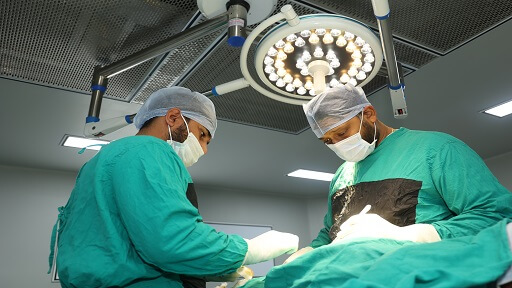
Our state-of-the-art procedures involve microscopic or endoscopic techniques that decompress spinal nerves with minimal tissue disruption. Patients experience significantly reduced blood loss, shorter hospital stays, and quick return to active daily routines.
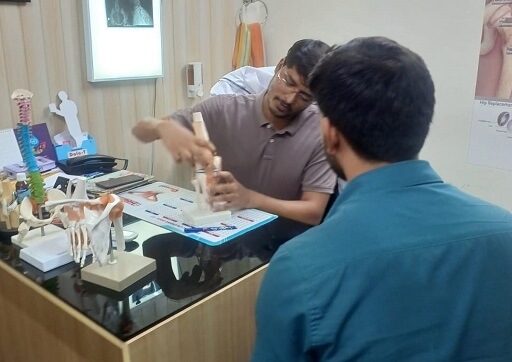
Precision MRI & Neurological Evaluation
Accurate diagnosis is the foundation of successful spine care. We utilize high-field MRI scans, digital X-rays, and comprehensive electromyography (EMG) nerve tests to precisely map disc herniation and nerve inflammation before initiating care.
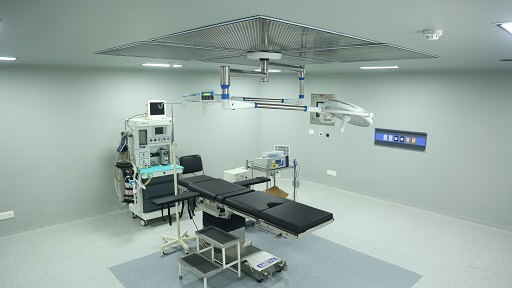
Post-Treatment Physiotherapy & Rehabilitation
Recovery extends beyond the procedure room. Our dedicated physiotherapy lounge provides custom core strengthening, ergonomic posture training, and guided stretching programs to ensure lifelong spinal health and prevent recurrence.
Are You Experiencing Any of These Sciatica or Disc Symptoms?
Spinal disc herniation dramatically disrupts nerve function and mobility. Select all sensations that apply to your current condition:
If you checked even one of these indicators, you may be suffering from acute nerve root compression due to a herniated disc. Unchecked disc extrusion can lead to permanent nerve damage and muscle atrophy.
Why You Shouldn't Ignore Spinal Disc Herniation
A herniated disc occurs when the soft inner gel of a spinal cushion pushes through a crack in the tougher exterior, irritating nearby sensitive nerve roots and causing severe inflammatory pain.
Chronic Nerve Root Compression
Continuous pressure on spinal nerves resulting in unyielding, debilitating pain patterns.
Progressive Motor Deficits
Gradual loss of muscle strength and reflex responsiveness in the affected leg or foot.
Permanent Nerve Impairment
Risk of long-term neurological damage if severe nerve compression remains untreated.
Advanced Spine Intervention & Minimally Invasive Care
Basic pain management can only mask symptoms temporarily. Advanced spine care ranges from targeted epidural injections to minimally invasive microdiscectomy procedures, relieving nerve pressure permanently.
100% Transparent Financial Coverage
We ensure smooth cashless processing with all government panels and private insurers:
No Private Health Insurance?
Avail 0% Interest Monthly Installments (EMI) with instant paperless verification for both diagnostics and spine care intervention.
Diagnosed with Disc Herniation or Advised Spine Surgery Elsewhere?
Upload your existing spine MRI or X-ray scan report. Our Senior Spine Board evaluates scan findings free of charge and provides an unbiased clinical opinion within 2 hours.
Frequently Asked Questions
What are common symptoms of a herniated spinal disc?
Symptoms can include back or neck pain, pain that travels into an arm or leg, tingling, numbness, or muscle weakness. Symptoms vary depending on the location and severity of the affected disc, and an assessment is needed to determine the cause.
How is a spinal disc herniation diagnosed?
A clinician usually reviews your symptoms and medical history and performs a physical and neurological examination. MRI or other imaging may be recommended when appropriate to assess the spine and help guide care.
Can a herniated spinal disc improve without surgery?
Many people improve with non-surgical care, which may include guided activity, physiotherapy, and medication recommended by a clinician. The right approach depends on symptoms, examination findings, and overall health.
When might surgery be considered for a herniated disc?
A spine specialist may discuss surgery when symptoms remain disabling despite appropriate non-surgical treatment, or when there is significant or worsening nerve involvement. The decision depends on an individual examination and review of imaging.
What lifestyle changes may help with disc-related back pain?
Follow your clinician's advice on staying active, posture, lifting, and exercises. Avoid movements that worsen symptoms, and ask a qualified professional before starting a new exercise programme or changing your usual activities.
When should I seek urgent care for back pain or sciatica?
Seek urgent medical care for new loss of bladder or bowel control, numbness around the groin or inner thighs, or rapidly worsening leg weakness. These symptoms need prompt assessment.
What happens during a spine specialist consultation?
The specialist will discuss your symptoms and medical history, examine movement and nerve function, and review available scans. They can explain suitable care options and whether further tests or follow-up are needed.
Are spine scans and treatments covered under ECHS, CGHS, or insurance?
Coverage and cashless eligibility depend on the scheme or policy, the recommended care, and any required approvals. Contact your insurer or the hospital insurance desk to confirm benefits before planned treatment.