Expert Surgical Care for Congenital Hernias in Newborns & Children
Congenital hernias like inguinal, umbilical, or diaphragmatic hernias require precise, timely pediatric surgical evaluation. Get advanced diagnosis and expert surgical intervention with our senior specialist consultants at Arihant Hospital, Dehradun.

Expert Surgical Care for Congenital Hernias in Newborns & Children
Congenital hernias like inguinal, umbilical, or diaphragmatic hernias require precise, timely pediatric surgical evaluation. Get advanced diagnosis and expert surgical intervention with our senior specialist consultants at Arihant Hospital, Dehradun.
Is Your Child Experiencing Any of These Hernia Symptoms?
Congenital hernias occur due to an opening or weakness in the abdominal wall present from birth. Select all signs that apply:
If you observe a firm, painful, or discolored bulge that does not go away, it could signal an incarcerated hernia requiring immediate emergency medical evaluation.
Why Congenital Hernias Require Timely Surgical Repair
Unlike adult hernias caused by wear and tear, congenital hernias stem from incomplete embryonic development of the abdominal wall or diaphragm. Leaving them untreated can lead to serious risks.
Hernia Incarceration
Abdominal tissue gets trapped in the hernia defect and cannot be pushed back, causing intense swelling and pain.
Strangulation & Tissue Damage
If blood supply to the trapped tissue is cut off, it becomes a medical emergency requiring immediate surgery to prevent tissue necrosis.
Growth & Development Disruption
Chronic bulging and associated discomfort can impede normal physical activity, feeding, and healthy childhood growth.
The Treatment Journey at Arihant Hospital
Clinical Assessment
Comprehensive examination by senior pediatric surgeons with gentle diagnostics.
Tract Mapping or Diagnosis
High-resolution ultrasound and precise defect localization to plan the intervention.
Minimally Invasive Closure
Advanced surgical repair ensuring minimal pain, rapid healing, and fine cosmetic results.
Recovery and Follow-Up
Dedicated post-operative care suite monitoring with structured pediatric follow-up protocols.
The Gold Standard Care: Advanced Pediatric & General Hernia Repair
Hernias do not heal on their own. Modern pediatric surgery utilizes precision techniques and minimally invasive approaches to safely close the weakness with minimal discomfort and quick recovery.
Understanding Surgical & Recovery Protocols
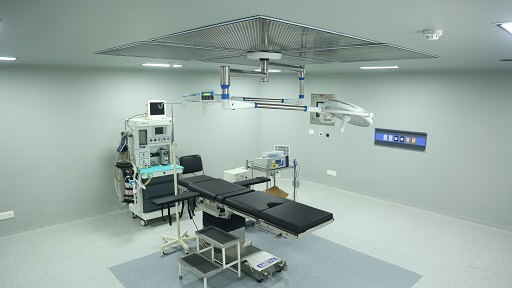
Advanced Minimally Invasive Closure Techniques
Using state-of-the-art pediatric laparoscopic instruments, our senior surgeons delicately repair the abdominal wall defect without large incisions.
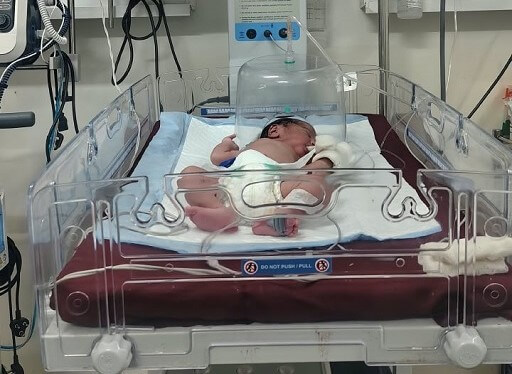
High-Resolution Ultrasound & Physical Evaluation
Every pediatric case is evaluated thoroughly through gentle clinical examination and Doppler ultrasound imaging.
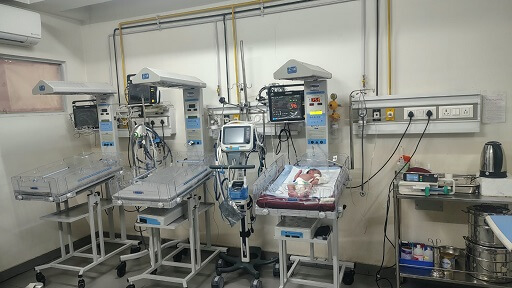
Same-Day Discharge & Smooth Pediatric Recovery
Most pediatric hernia repairs are day-care procedures allowing young patients to return to the comfort of their homes within hours.
Consult Our Senior Consultant Surgeons & Specialists
.jpeg)
Expert Surgical Team
MS, MCh (Pediatric/General Surgery)Extensive expertise in managing complex congenital malformations, pediatric hernias, and neonatal surgical procedures.
chat Book Appointment via WhatsAppFrequently Asked Questions
Do all congenital hernias in infants require surgery immediately?
The need and timing of treatment depend on the type of hernia, the child's age, symptoms, and examination. Inguinal hernias in children usually need surgical assessment, while some umbilical hernias may close as a child grows. A pediatric surgeon can advise on appropriate timing.
What are the common types of congenital hernia in children?
Congenital hernias in children can include inguinal and umbilical hernias; less common types may also occur. The location and type are assessed by a clinician through examination and, when needed, imaging.
What symptoms of a hernia in a child need urgent medical attention?
Seek urgent medical care if a hernia bulge becomes painful, firm, discoloured, or cannot be gently reduced, or if the child has vomiting, abdominal swelling, fever, or appears very unwell. These symptoms need prompt assessment.
How are congenital hernias diagnosed in children?
Diagnosis usually starts with a medical history and physical examination. Ultrasound or other imaging may be used when the diagnosis is unclear or to assess the hernia further.
What happens during pediatric hernia repair?
The surgical approach depends on the hernia type and the child's needs. The surgeon explains the planned repair, anesthesia, benefits, and risks with the family before treatment.
How long does a child take to recover after hernia surgery?
Recovery varies with the child's age, the type of hernia repair, and individual healing. The care team provides instructions about activity, wound care, pain relief, and follow-up.
Can an umbilical hernia in a child close without surgery?
Some umbilical hernias close naturally as a child grows, but this depends on the child's age, the hernia, and symptoms. A clinician can recommend monitoring or treatment and advise when to return for review.
When should my child be reviewed after hernia surgery?
Follow-up timing is set by the treating team. Contact the care team sooner if your child develops worsening pain, fever, increasing redness or swelling, vomiting, or any other concerning symptoms.