Concerned About Yellowish Skin in Your Newborn? Get Expert Treatment for Neonatal Jaundice
Don't let high bilirubin levels threaten your baby's health. Get an accurate transcutaneous bilirubin test diagnosis and fast-track phototherapy relief with our senior neonatology consultants at Arihant Hospital, Dehradun.
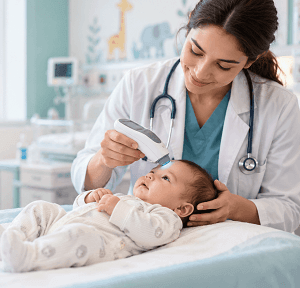
Is Your Newborn Exhibiting Any of These Jaundice Symptoms?
Neonatal jaundice results from a buildup of bilirubin in the blood. Select all signs that apply to your baby's condition:
If you checked even one of these indicators, your newborn needs immediate evaluation. Untreated severe neonatal jaundice can lead to bilirubin encephalopathy (kernicterus) and permanent neurological complications.
Why You Shouldn't Ignore Neonatal Jaundice
Newborns produce more bilirubin than adults because of rapid red blood cell breakdown, and their immature livers cannot process it fast enough. High levels left unchecked pose severe developmental risks.
Acute Bilirubin Encephalopathy
Toxic levels of bilirubin entering the brain tissue, causing lethargy, high-pitched crying, and poor muscle tone.
Permanent Kernicterus Damage
Severe syndrome resulting in permanent brain injury, hearing loss, cerebral palsy, and developmental delays.
Prolonged NICU Hospitalization
Delaying timely intervention leads to extended medical complications requiring intensive exchange transfusions.
The Gold Standard Care: Advanced Phototherapy & Neonatal Monitoring
Home remedies or sunlight exposure through glass windows are inadequate for treating clinical jaundice. Advanced neonatal care involves precise bilirubin blood screening, intensive blue-light phototherapy, and specialized hydration support.
The 4-Step Neonatal Treatment Journey
Clinical Assessment
Immediate physical examination and transcutaneous bilirubin screening by our pediatric specialist.
Tract Mapping or Diagnosis
Precise blood serum testing to determine precise bilirubin levels and identify underlying causes.
Laser Closure or Treatment
Targeted blue-light phototherapy and intensive neonatal supportive care in our specialized unit.
Recovery and Follow-Up
Post-treatment bilirubin confirmation, feeding guidance, and scheduled pediatric follow-up visits.
Comprehensive Treatment Insights
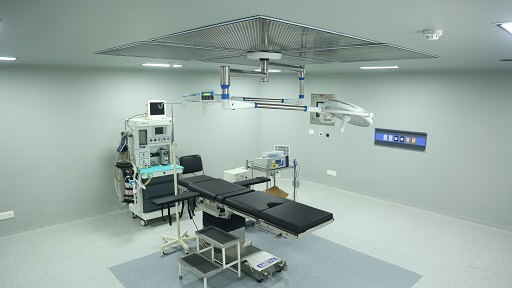
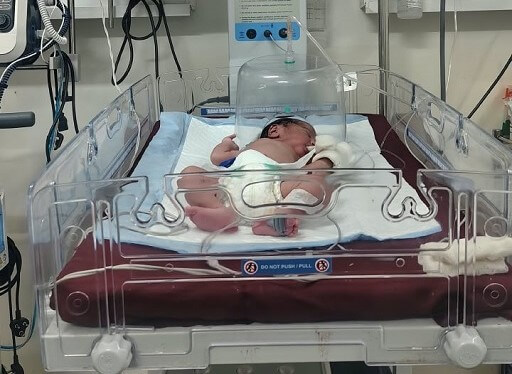
Advanced phototherapy utilizes high-intensity blue spectrum light to convert bilirubin in newborn skin into water-soluble isomers (lumirubin) that can be easily excreted through urine and stool without invasive procedures. Our state-of-the-art units ensure optimal safety, constant eye protection, and optimal temperature regulation.
Accurate diagnosis is paramount. We employ non-invasive transcutaneous bilirubinometers alongside confirmatory total serum bilirubin (TSB) blood assays. Our senior neonatologists evaluate specific gestational age, postnatal hours of life, and risk factors to determine precise intervention thresholds.
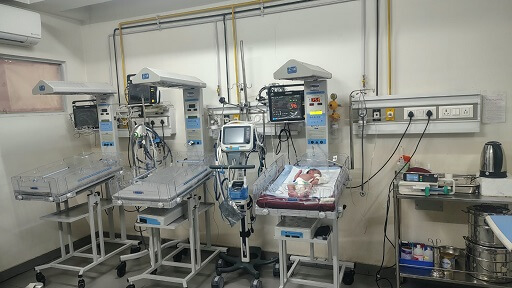
Following phototherapy sessions, babies undergo rapid stabilization. Our lactation consultants assist mothers with proper breastfeeding routines to promote regular hydration and bowel movements, ensuring permanent clearance of bilirubin and healthy infant development.
Consult Our Senior Pediatrician & Neonatology Specialist
.jpeg)
Dr. Senior Pediatric Team
MBBS, MD (Pediatrics), Neonatology FellowshipExtensive expertise in managing neonatal jaundice, preterm infant care, newborn infections, and advanced neonatal resuscitation protocols.
chat Book Appointment via WhatsApp100% Transparent Financial Coverage
We ensure smooth cashless processing with all government panels and private insurers:
No Private Health Insurance?
Avail 0% Interest Monthly Installments (EMI) with instant paperless verification for newborn diagnostics and NICU care plans.
Diagnosed with High Bilirubin Levels or Jaundice Elsewhere?
Upload your existing bilirubin serum report or infant prescription history. Our Senior Neonatology Board evaluates test findings free of charge and provides an unbiased clinical opinion within 2 hours.
Frequently Asked Questions
What causes neonatal jaundice in newborn babies?
Neonatal jaundice is caused by bilirubin, a yellow pigment produced as red blood cells break down. Newborns may have jaundice while their liver is still developing. A clinician should assess the baby and decide whether monitoring or treatment is needed.
When does newborn jaundice usually appear?
Common newborn jaundice often appears during the first few days after birth, but timing and severity vary. Jaundice in the first 24 hours, worsening yellowing, poor feeding, unusual sleepiness, or other concerning symptoms need prompt medical assessment.
How is bilirubin checked in a newborn?
A clinician may estimate bilirubin with a skin-reading device and may recommend a blood test to measure the level. The result is interpreted alongside the baby's age in hours, gestational age, and health factors.
How is newborn jaundice treated?
Care depends on the bilirubin level and the baby's age and health. It may involve monitoring and feeding support, or medically supervised phototherapy. A neonatal clinician determines the appropriate plan and follow-up.
Is sunlight exposure a safe treatment for newborn jaundice?
Direct sunlight is not a recommended substitute for medical assessment or prescribed phototherapy because exposure and temperature cannot be reliably controlled. Contact a clinician for advice if you notice jaundice.
When should I seek urgent care for a newborn with jaundice?
Seek prompt medical care if a newborn is difficult to wake, feeding poorly, unusually floppy or irritable, has a high-pitched cry, develops worsening yellowing, or shows any other concerning change. A clinician can assess the baby and advise on urgency.
Can breastfeeding continue during jaundice treatment?
Feeding support is an important part of newborn care. Many babies can continue breastfeeding, but the right feeding plan depends on the baby's condition. Follow the advice of the baby's paediatric or neonatal care team.
Are jaundice treatment and NICU care covered under ECHS, CGHS, or insurance?
Coverage depends on the scheme or policy, the care recommended, and any required approvals. Contact your insurer or the hospital insurance desk to confirm eligibility and payment arrangements.